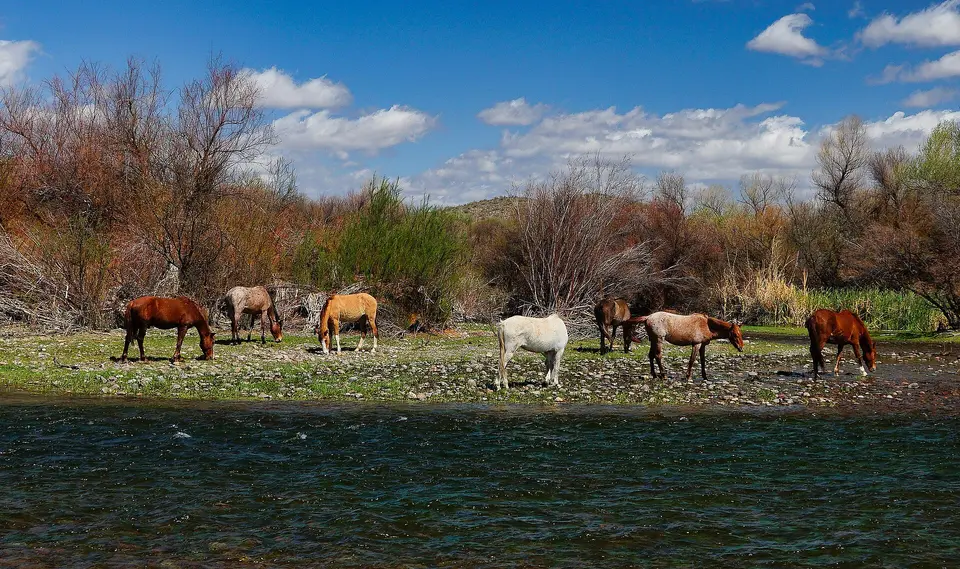
An Arizona Daily Independent column reports that Friends of the Salt River Wild Horses have submitted more than 70 requests for a meeting with Governor Katie Hobbs before planned September removals and that those requests have gone unanswered. The group is pressing for decisions grounded in independent science, humane management, and public transparency.
If the account is accurate, the practical consequence is straightforward: removals could proceed without any direct dialogue with the advocates who have worked this issue for years. That kind of silence from the executive branch erodes public confidence in the process and invites more scrutiny of how decisions are made.
The column, written by Karen Schutte, frames the advocacy as a disciplined, long-horizon strategy that builds an administrative record piece by piece. Public records requests, letters to elected officials, scientific questions to agencies, and citizen engagement are characterized as cumulative "stones" that support future oversight and potential policy change.
That "cathedral thinking" approach is coupled with what the author calls equanimity, a posture of staying steady and focused when agencies or elected officials do not respond. The idea is not to accept inaction, but to conserve energy for the next request, the next document, and the next official willing to listen.
According to the piece, advocates oppose the planned removals and want the management of the Salt River herd to be backed by independent science, with real transparency and accountability. The author highlights concrete steps: filing public records requests, writing opinion pieces that widen public awareness, and encouraging legislators to ask questions.
The article also notes that even failed legislation can have value, providing language and concepts that can be reintroduced with more support in future sessions. In aggregate, these actions build a paper trail and a public case that can be used to evaluate, and if necessary challenge, the decisions that affect the herd.
What is missing from the Arizona Daily Independent column is any response from the Governor's Office addressing the alleged 70-plus unanswered requests or explaining the rationale for the planned September removals. In legal and administrative terms, that absence weakens the perceived legitimacy of any near-term action.
The column argues that advocates will keep pressing regardless of short-term setbacks. It emphasizes steady demands for science, questions that agencies have so far left unanswered, and ongoing public education as the removals approach.
The long-term objective, as described, is a durable framework for protecting the Salt River horses that does not depend on who occupies the Governor's Office or leads a particular agency. The advocates' premise is that persistent, documented engagement can outlast election cycles and administrative turnover.