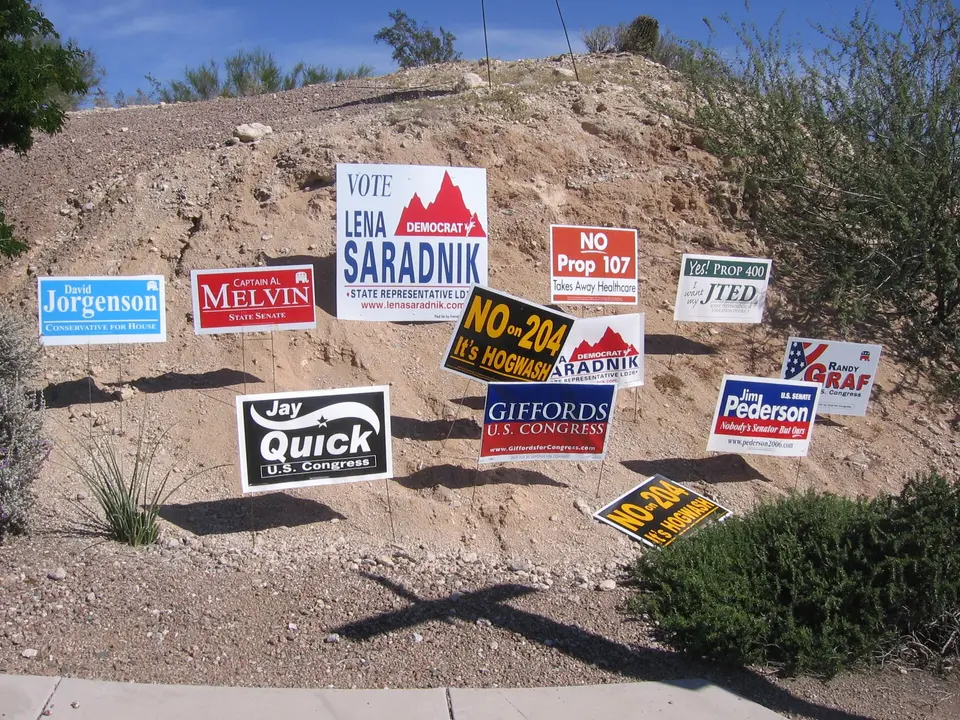

Gov. Katie Hobbs and Republican legislative leaders both want Arizona voters to remember the 2027 budget as their tax cut. That alone tells taxpayers where to start: with the enacted provisions, not the victory laps.
Hobbs says the signed budget delivers a $1.4 billion tax cut for working families, pauses the data-center tax credit for three years, and invests in education, border security, health care, and water. House Republicans describe a $1.43 billion income-tax package and say they blocked tax and fee proposals backed by the governor. The numbers are close enough to show that the dispute is mainly about ownership and priorities.
The compromise followed months of louder claims. In January, Republican leaders called the governor's proposal dependent on hidden tax increases and unrealistic revenue. In May, Hobbs vetoed a Republican package that she called unbalanced and reckless. By June, both sides had discovered the ancient Arizona ritual of standing near the same compromise and describing it as a unilateral triumph.
Some of the tax changes are easy for voters to understand: deductions for tips and overtime, a larger standard deduction, and a deduction for seniors. The harder questions arrive later. How much revenue does the state forgo in each fiscal year? Which spending commitments recur? What happens when one-time money disappears? What did the final agreement reject from each opening offer?
Those are not gotcha questions. They are the minimum accounting needed to evaluate a budget that both parties are selling as proof of responsible government. A press release can announce a four-year total. A serious public ledger should show the annual effect, the assumptions behind it, and the programs that grow faster than ongoing revenue.
Hobbs deserves credit for signing a divided-government agreement. Republican leaders deserve credit for forcing changes they can identify in the final text. Neither side has earned the right to turn the budget into a bumper sticker. Taxpayers paid for the document and should get a clean comparison of proposal, compromise, and long-term cost.
Reporting attribution
Our reporting draws on the original documents and journalism listed here. Please follow the links to read the source work.