Arizona's Colorado River problem is often described as if every city council could solve it with a xeriscape rebate and a stern press conference. The river does not work that way. Priority, contracts, and shortage declarations do.
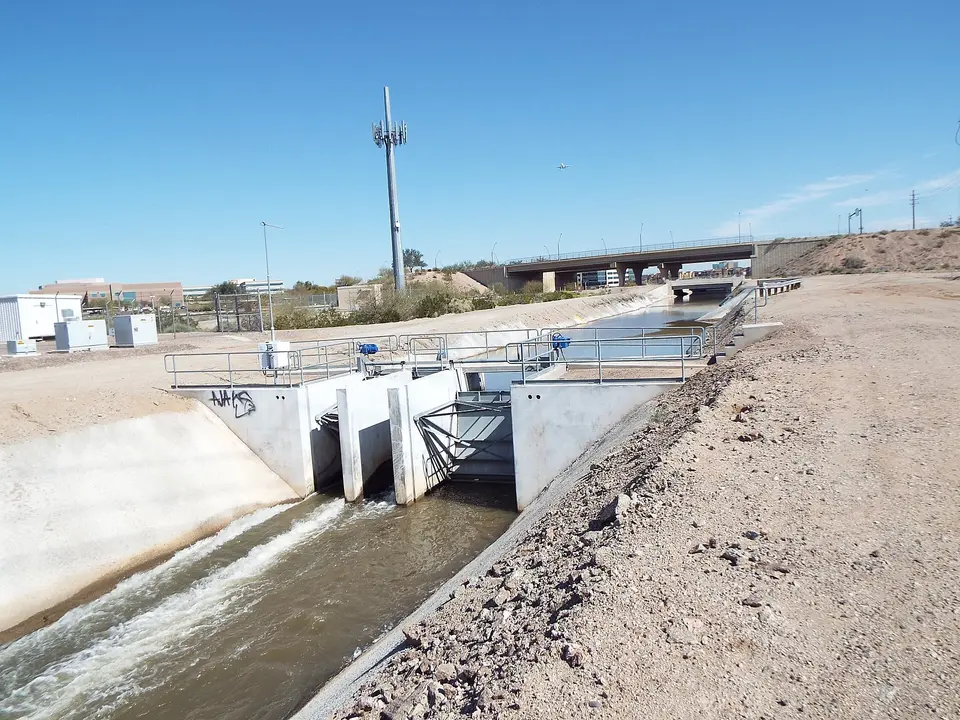
The Colorado River supplies a major share of water for Central Arizona through CAP infrastructure, alongside Salt River Project supplies, groundwater, and effluent reuse depending on the city. When federal shortage conditions tighten deliveries, junior priority users feel it first. That is law and compact history, not a local marketing slogan.
Interactive
Shortage hits junior supplies first
Priority and contracts decide who feels a cut before city hall does.
What cities can do is real and limited. They can price outdoor water honestly. They can accelerate turf removal where it is ornamental waste. They can harden rules on new demand in desert tracts that assume infinite CAP. They can invest in recharge, reuse, and leak reduction. They can stop pretending every master-planned community is a water strategy.
What cities cannot do is renegotiate the Law of the River from a council dais. They cannot create snowpack in the Rockies. They cannot make California or the Upper Basin disappear from the accounting. They cannot promise growth without naming the supply that supports it.
State institutions sit in the middle. ADWR, CAP, and legislative water policy shape how shortage hits municipalities, agriculture, and industry. Local officials who blame only Washington are dodging. Local officials who claim unilateral control are bluffing.
Housing politics makes the water fight sharper. Arizona needs homes. Arizona also needs supplies that survive a dry decade. Treating every conservation rule as an attack on growth, or every subdivision entitlement as a human right unconstrained by hydrology, is how the state gets both housing shortages and brittle water systems.
The useful public standard is blunt. Ask mayors and candidates which demand they would curb first, which supply projects they would fund, and which growth assumptions they would revise if CAP deliveries fell again. If the answer is only "innovation" with no numbers, it is not a plan.
Reporting attribution
Our reporting draws on the original documents and journalism listed here. Please follow the links to read the source work.