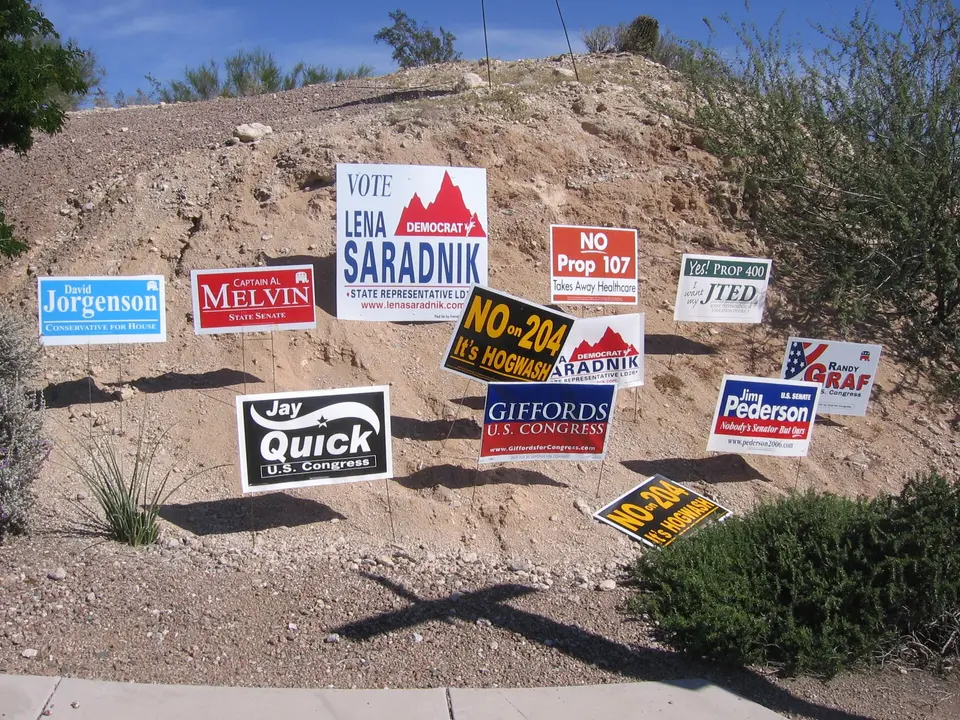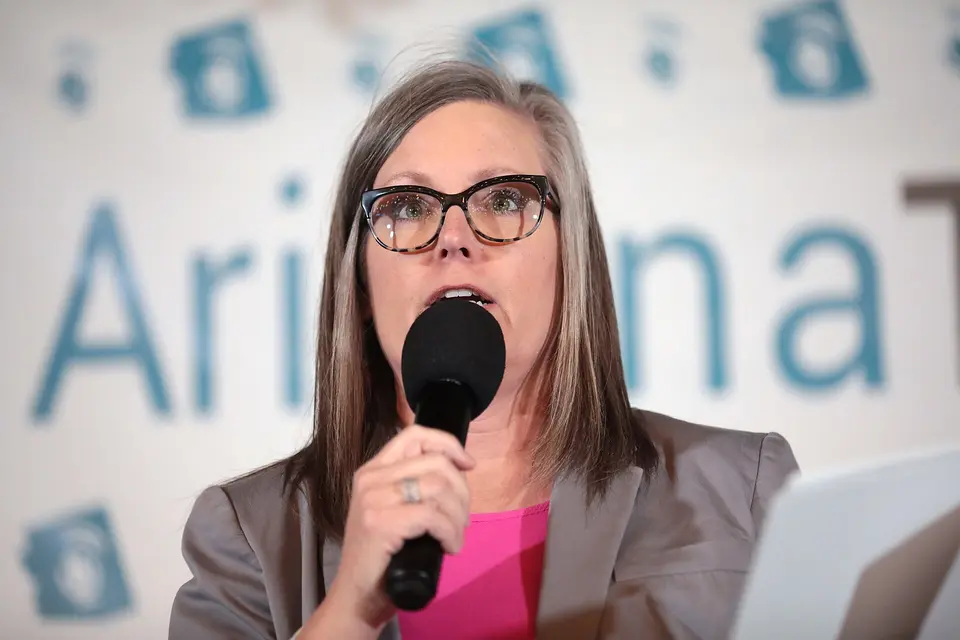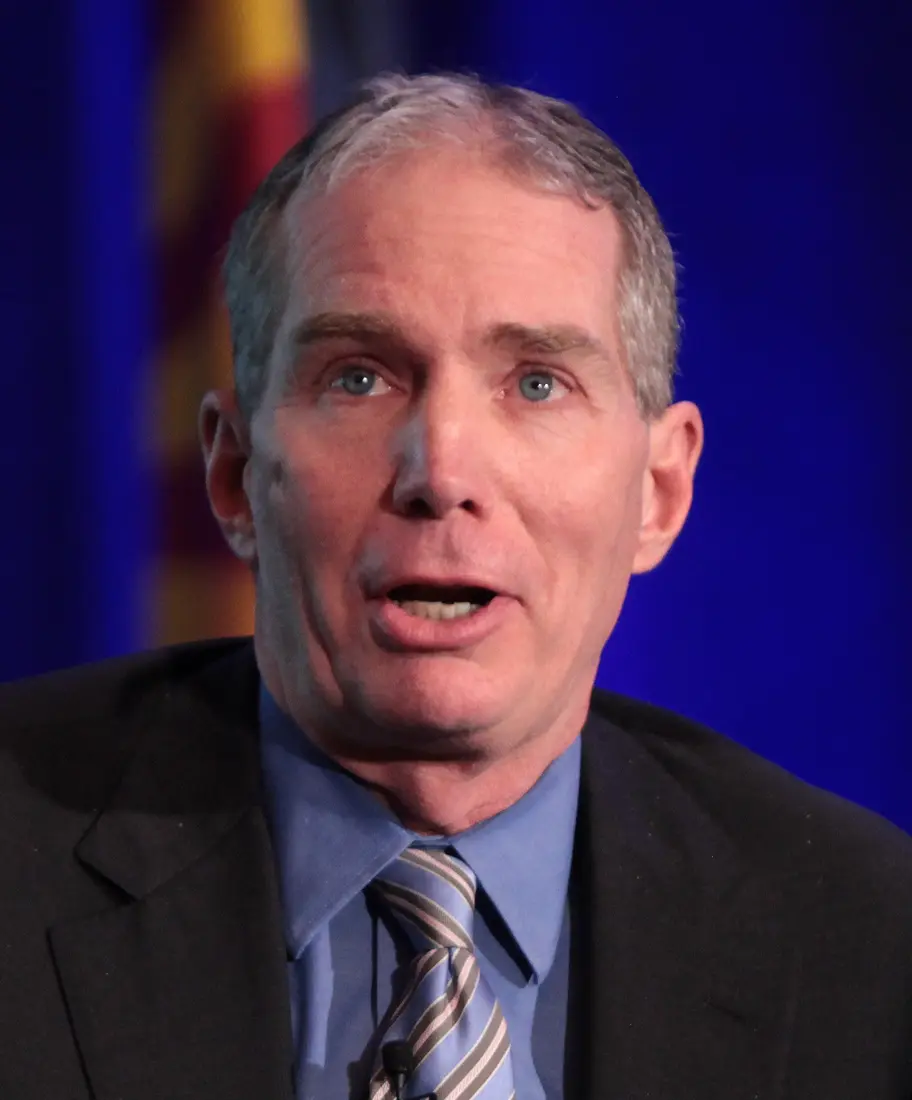
Arizona’s next campaign decisions are administrative ones with budget consequences: Gov. Katie Hobbs and U.S. Rep. Andy Biggs have until Sept. 4 to name running mates who would become Arizona’s first lieutenant governor, according to reporting by Arizona Capitol Times. The office’s duties are largely undefined in statute, giving the eventual governor wide latitude to assign real work or create redundancy, and taxpayers will fund whatever structure is chosen.
Both campaigns are keeping their short lists quiet. Democratic consultant Stacy Pearson told the Capitol Times the picks will likely be unveiled late in the cycle because “once those names go public, man, those people’s lives change.” Hobbs said on July 20 that the deadline leaves her “plenty of time” and that she is focused on someone who shares her approach to governing and can work across the aisle. Biggs said on June 17 he wants a running mate who understands both the legislative and executive processes and can help manage agencies to drive a “very aggressive agenda” from day one.
The consequence of that discretion is straightforward: the first lieutenant governor could be built to deliver measurable efficiencies, or it could add a politically elected layer to management without improving output. The statute allows the lieutenant governor to serve as chief of staff, to direct the Department of Administration, or to hold other appointed roles. Each option concentrates authority differently, shifts who is accountable for everyday decisions, and carries its own risks for duplication, mission creep, and cost.
Voters approved the new position in 2022 after then-Sen. J.D. Mesnard referred it to the ballot, an attempt to fix Arizona’s succession problem. Without a lieutenant governor, the Secretary of State has been next in line, sometimes flipping party control midterm when governors leave office. The Capitol Times points to 2009, when Democratic Gov. Janet Napolitano departed for a federal post and Republican Secretary of State Jan Brewer succeeded her. The change addressed a constitutional gap, but it left the job description open for future governors to fill in.
People who have actually run the governor’s office warn against turning the lieutenant governor into an elected chief of staff. Hobbs’ current chief of staff, Chad Campbell, told the Capitol Times in 2024 that combining the roles would be “very weird,” and he has taken himself out of contention. Daniel Scarpinato, who served as chief of staff to former Gov. Doug Ducey, said the back-room nature of that job clashes with the public-facing instincts of someone who just ran on a ticket. In his words, “there’s a weird kind of conflict there.”
Former Corporation Commissioner and Administration director Andy Tobin told the Capitol Times the first lieutenant governor should probably not run agencies either. He argues the role could be most useful as an adviser who leads crisis responses, wildfires, public health emergencies, agency dilemmas, and serves as a statewide voice on rural issues or liaison to the federal government, depending on experience. “I think it’s important that the idea would be to help make government more efficient,” Tobin said.