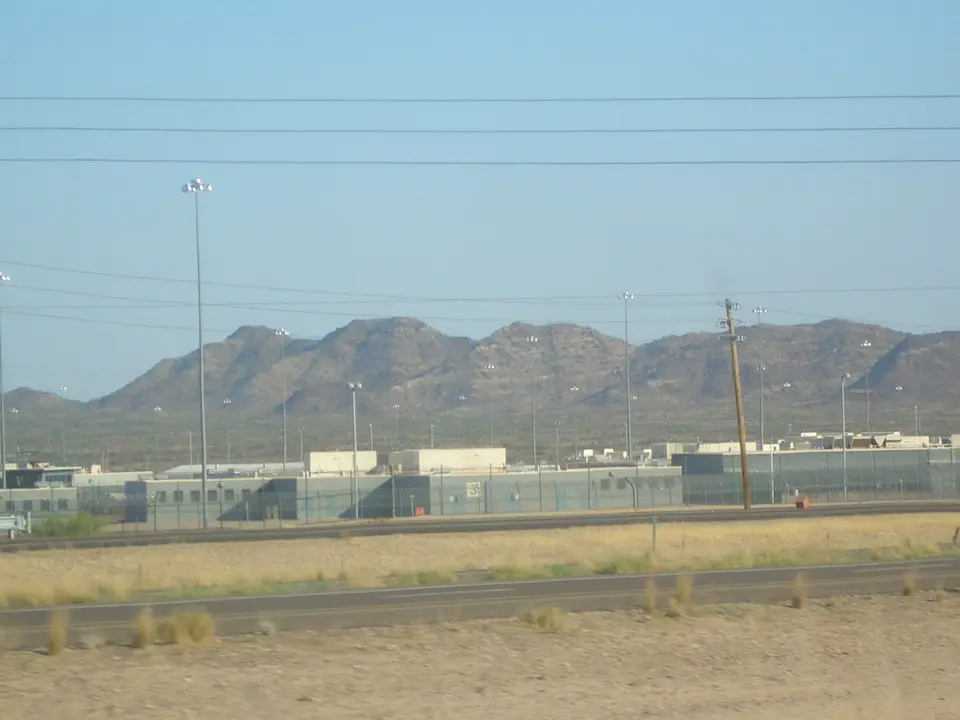
Arizona spends more than $1.5 billion a year on its corrections system while putting $3 million this year into reentry workforce efforts at the Department of Economic Security, according to officials quoted by the Arizona Capitol Times. With an incarceration rate of 710 per 100,000 people, advocates and agency staff told the paper the model that works is building career pathways, not just handing out short-term jobs.
The fiscal consequence is straightforward. If reentry dollars are not tied to measurable job placement, retention and earnings growth, taxpayers keep paying on both ends: prison operations on the front side and the social and public-safety costs of failed reentry on the back side. A $3 million line item equals about two-tenths of one percent of annual corrections spending. That imbalance demands outcomes, not slogans.
Those monitoring Arizona's reforms told the Capitol Times that past changes are "working" but more is needed. Former Gov. Doug Ducey ordered state agencies to delay criminal history checks until after interviews, lawmakers in 2018 added liability protections for employers and contractors who hire the formerly incarcerated, and a 2021 law lets certain convictions be set aside with a Certificate of Second Chance. Even so, DES assistant director Anna Hunter said finding long-term careers remains difficult.
Inside prison, Stacey Faulkner at the Department of Corrections, Rehabilitation and Reentry said industry-recognized training, credentials and apprenticeships improve hireability. She argued that many people who earn those credentials "are probably some of the most successful employees." Hunter added that leaving with the right documents to complete an I-9 is basic but critical. Peer support from employers who value second-chance hires is also key, she said.
Officials in the story also push softer changes like swapping out stigmatizing labels for "formerly incarcerated individual." Fine, but language alone is not a labor market strategy. Credentials, document readiness and employer partnerships are tangible; euphemisms are not.
Gov. Katie Hobbs put Arizona into the national Reentry 2030 initiative by executive order, and Arizona@Work has counselors embedded in probation, parole and reentry centers. Hunter called the $3 million in this year's budget a bipartisan success and asked for continued funding. If taxpayers are writing that check, they deserve public scorecards on placements, one-year retention and wage trajectories by program.
Rep. Walt Blackman, a Snowflake Republican who has worked on prison and justice reforms, told the Capitol Times that the state still lacks political courage on the basics of reentry, including IDs and housing. He said one fix that would tie efforts together is an independent prison oversight office. The ask is $1.5 million to launch. The paper reported in July that the money has appeared in neither Hobbs' budget proposal nor legislative majority budgets. Blackman said prior Republican administrations also failed to act. Set against a $1.5 billion department, that oversight request is roughly one-tenth of one percent.