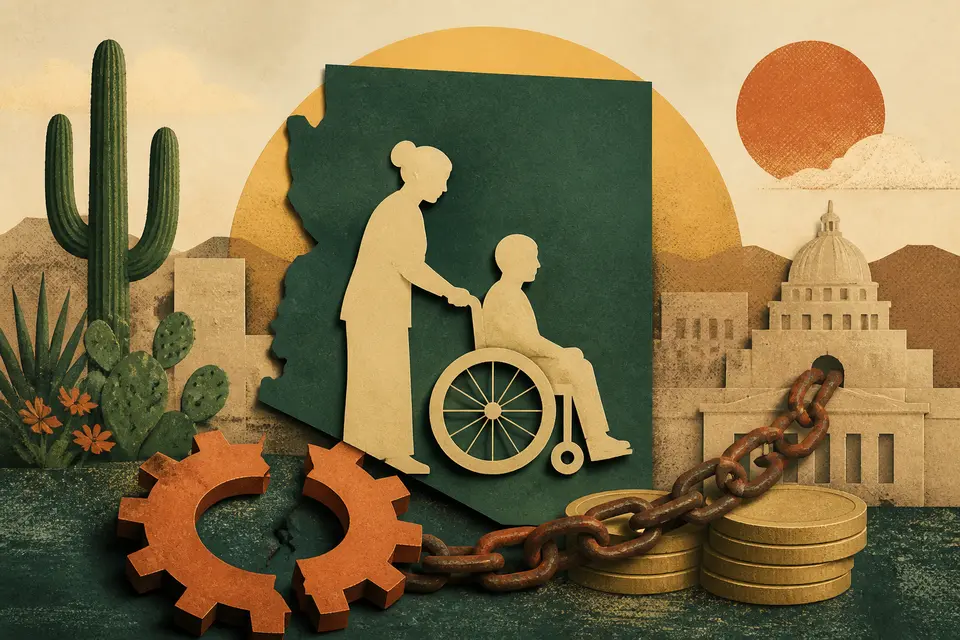
Arizona's paid-parent caregiver program is again under the microscope after state auditors reported that agencies failed to fully carry out required cost controls, a lapse they said has cost the state "hundreds of millions." Senate Majority Leader John Kavanagh, R-Fountain Hills, said he now favors cutting the program back or eliminating it altogether.
A July 30 report from the Arizona Auditor General found that AHCCCS and the Department of Economic Security did not complete cost-saving steps that lawmakers tied to $83 million in this year's budget. Meanwhile, participation ballooned 106 percent from fiscal 2019 to 2025, from 8,756 to more than 18,000 members, and attendant care spending rose by more than $537 million, according to DES and AHCCCS data cited in the report.
The stakes are clear. Federal COVID-19 money that propped up Parents as Paid Caregivers ended April 1, 2025, shifting more administrative costs to the state. With costs surging and controls stalled, Republican leaders are openly weighing program cuts or repeal, a move that would roil thousands of families who fought to keep the program funded last year.
Lawmakers in 2025 kept PPCG alive with a $109 million bill that also set guardrails. House Bill 2945 capped parent caregiver hours at 40 per week and ordered a standardized assessment to judge "extraordinary care" needs, with an October 1, 2025 implementation deadline.
But the assessment tool lasted just 16 days. AHCCCS halted it through formal rulemaking after warning of "imminent" litigation and potential conflicts between service-hour limits and federal Centers for Medicare and Medicaid Services requirements, according to the agency's response in the audit.
Auditors wrote that if rulemaking was necessary, agencies should have known six months earlier, and that the delay has continued to cost Arizona "hundreds of millions of dollars." AHCCCS Interim Director Roberta Harrison disputed that timeline, arguing the legal issues could not have been anticipated sooner given "extensive" administrative law procedures and that the savings projected for an October rollout likely would not have materialized.
Gov. Katie Hobbs announced on October 16, 2025 that she directed changes to the standardized tool to allow exceptions for extraordinary care. The emergency rulemaking AHCCCS used was approved by Attorney General Kris Mayes, and Democratic leaders said it would allow public comment before finalizing program changes.
Kavanagh told Arizona Capitol Times the audit validates Republican concerns. "These programs are just so tempting for abuse," he said, adding he would fire someone who disobeyed the law. He also argues parents should provide care because they are parents, not because they are employees.
House Assistant Minority Leader Nancy Gutierrez, D-Tucson, who helped broker the 2025 compromise, warned that if Republicans retain control they may try to end PPCG. She contrasted GOP scrutiny of PPCG with the state's Empowerment Scholarship Account program, which she said has no audit or oversight. Gutierrez asked the Joint Legislative Audit Committee this year to review ESAs, but Republicans declined, according to the Capitol Times report.
Here is the practical rub for families and taxpayers: the Legislature set deadlines and cost caps, the agencies paused them, and the governor and attorney general greenlit emergency rulemaking that kept the rules in flux. Before the next budget fight, publish the assessment tool, the legal rationale, and updated cost estimates, then hold daytime hearings. If state leaders insist on paying parents for care, they owe residents a clean, transparent ledger.
Sources Cited
See an error? Email corrections@saguarosignal.com. We append material corrections to the article.