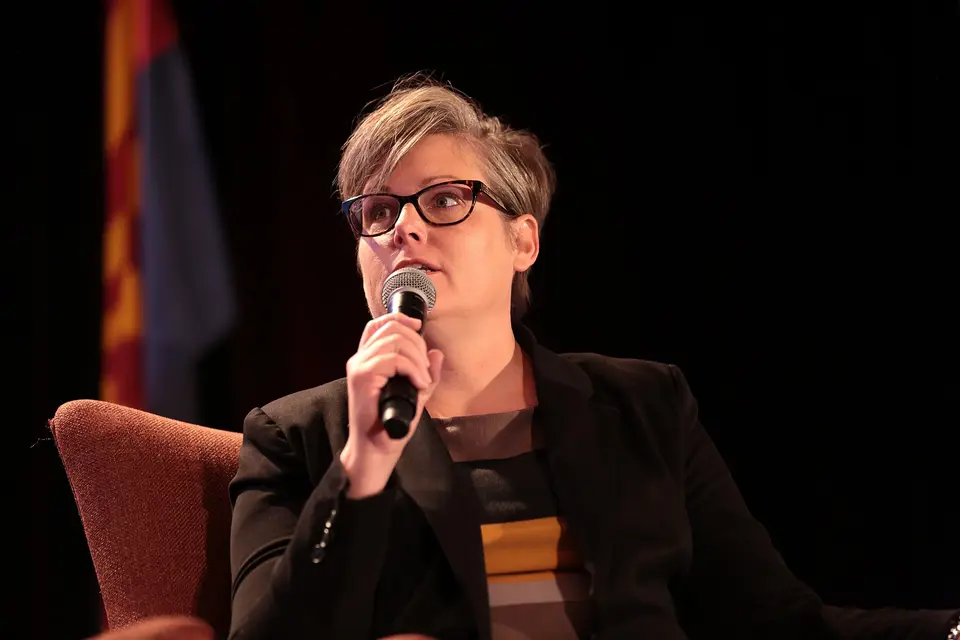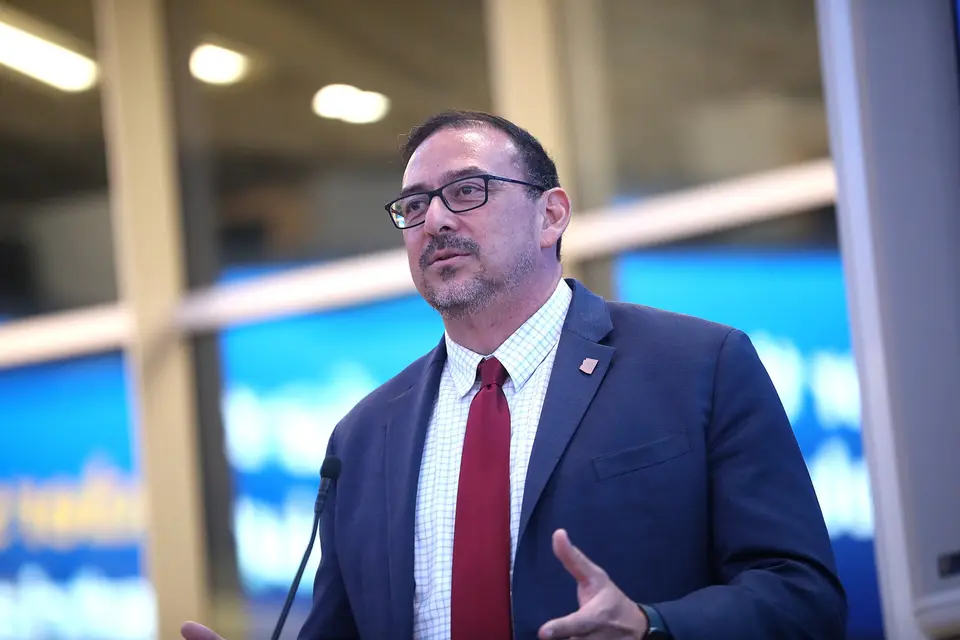
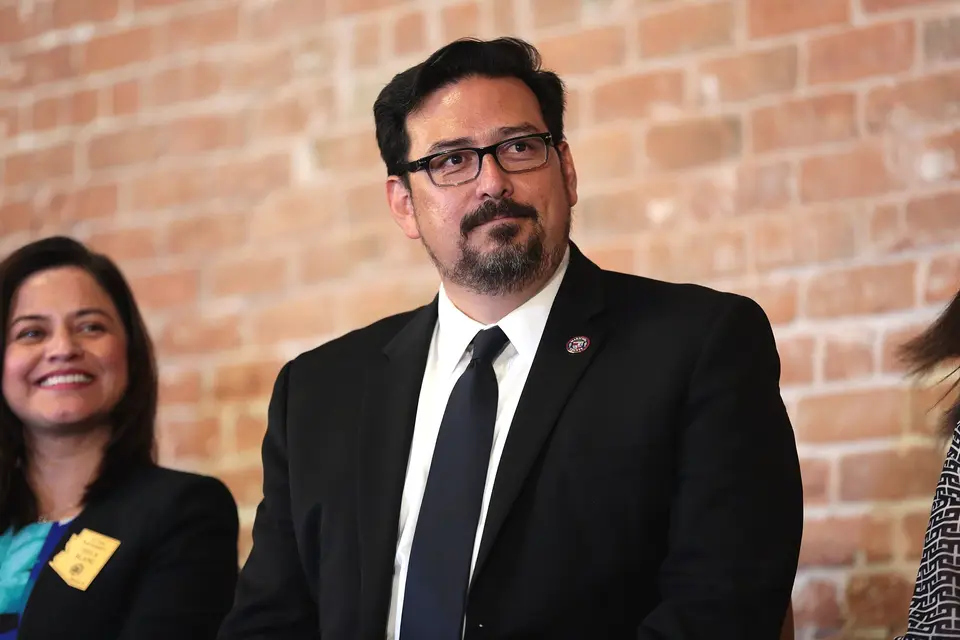
Democratic Secretary of State Adrian Fontes and Republican Rep. Alexander Kolodin turned their second debate into a slugfest, with policy repeatedly drowned out by personal jabs, according to Arizona Capitol Times and The Arizona Globe coverage of the event Wednesday night.
Kolodin hammered Fontes over past legal work tied to cartel-adjacent defendants, prompting Fontes to warn they would have a "personal problem" if he raised it again and to dismiss the line of attack as "weak sauce," per the Capitol Times. Fontes' team also ran a live fact-check site during the debate, featuring pseudonymous handles "krakenslayer" and "Raspberry Rosé," a pointed riff on Kolodin's 2020 litigation and a 2020 traffic-stop anecdote. The Globe reported the site as alexlies.com and noted Fontes' past defense of individuals in cartel-linked firearms cases, while also stating the record shows he did not represent the Sinaloa cartel as an organization. Kolodin skipped post-debate media.
For voters, the consequence is straightforward: less clarity on how either candidate would run Arizona's elections at scale. The state's top election post is a management job. What got airtime were insults and theatrics, not much about throughput, error rates, or concrete timelines for tabulation and audits.
On policy, Kolodin pushed Proposition 144, which he authored, arguing it would make voting easier, speed results, and block foreign election funding. Fontes countered it would reduce voter access and convenience, saying his office has expanded voting locations, per the Capitol Times. Voters should see specifics: which forms of ID change, how many sites move or close, and projected minutes saved in counting under Kolodin's plan. None of that was quantified on stage.
They also sparred over federal felony-voter data. Kolodin accused Fontes of withholding DOJ-provided files. Fontes said the data arrived in an unusable format and that the office had to obtain a different one, per the Capitol Times. That is a management test. If the barrier was format, the public deserves the paper trail: the original DOJ transmittal, the data schema, the conversion request, and timestamps. Show the work or stop the he-said-she-said.
On noncitizen voting, Maricopa County Attorney Rachel Mitchell recently identified eight noncitizens who voted, after more than 200 names were referred to her office, according to the Capitol Times. Kolodin argued one illegal vote is too many and cited a limited sample of 60,000 to suggest the number could be higher. Fontes said the finding shows broad claims of noncitizen voting are a myth. Here are the denominators missing: total referrals vetted, total voters screened, the match criteria, and the adjudication outcomes. Without those, extrapolation is speculation.
Counting speed was another contrast. Fontes said fast, accurate, and cheap cannot all be maximized at once and that close races will not be settled on election night, per the Capitol Times. Kolodin said his bill allowing voters to bring early ballots to polling places has contributed to faster counts. He also promised rigorous pre-Election Day testing, which the Capitol Times noted already occurs. Voters should ask for a simple dashboard: median time from poll close to first drop, percent of ballots tabulated by 24 and 48 hours, and error rates by batch.