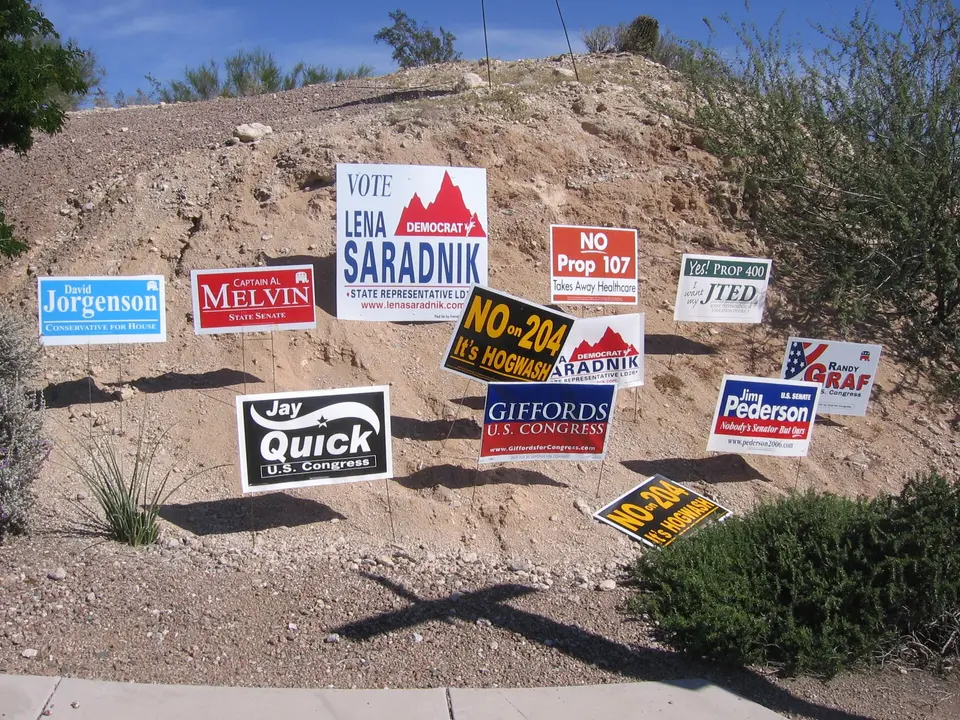

Arizona's top Republican lawmakers are defending Proposition 145, telling voters the measure is legally sound even if its effect is to undercut a rival initiative that would clamp down on Arizona's school voucher system, according to Arizona Mirror reporting published Friday.
Voucher critics are zeroed in on a clause in Prop 145 that they argue would wipe out Proposition 212, the competing measure billed as a package of voucher regulations, the Mirror reported. If that reading holds, the practical stakes are high for parents, districts, and taxpayers who have to live with the fallout, not just the talking points.
At issue is not only which side wins a policy debate but whether one ballot measure can be written to cancel out another. GOP leaders deny Prop 145 was drafted to block Prop 212, the Mirror reported, yet they also maintain it would be constitutional even if that is the result. That posture raises familiar Arizona questions about process, not just policy.
For families trying to plan the school year, ambiguity is not a strategy. If a clause in Prop 145 truly nullifies Prop 212, as opponents allege, then the choice before voters is sharper than the ads will admit. If it does not, then the campaigns owe voters a plain-English explanation before ballots go out. Either way, the lack of clarity is its own kind of policy failure.
A center-right view of school choice should welcome competition and transparency. It should also resist ballot booby traps. Arizona has grown fast on the promise that parents can pick what works. That promise depends on rules that are clear, budgets that pencil, and voter information that does not require a law degree to parse.
Where there is an alleged conflict between two propositions, lawyers usually follow. If both measures advance and both pass, expect courtroom time to sort hierarchy and effect. Even the threat of litigation can freeze planning for districts, charters, and vendors, with real costs landing on classrooms while adults posture over fine print.
Local capacity matters here. Superintendents and business managers need to know what funding formulas and eligibility rules will look like before they hire staff or sign leases. Parents need to know if their voucher applications will be honored. A ballot fight that turns into a legal fight is not a plan for stable operations.
According to the Mirror, Republican leaders say the constitution is on their side regardless of the political spin. Opponents counter that the clause in Prop 145 is designed to erase Prop 212. Those are serious claims on both sides. The burden now is to show voters the text, the intended effect, and the real-world consequences in time for an informed vote.
What to watch next: the exact language voters will see in the publicity pamphlet, how campaigns explain or dodge the potential conflict, and whether any preelection lawsuits seek to clarify the interaction between the measures. Voters deserve hard numbers, straight answers, and a clean comparison, not another fog machine.