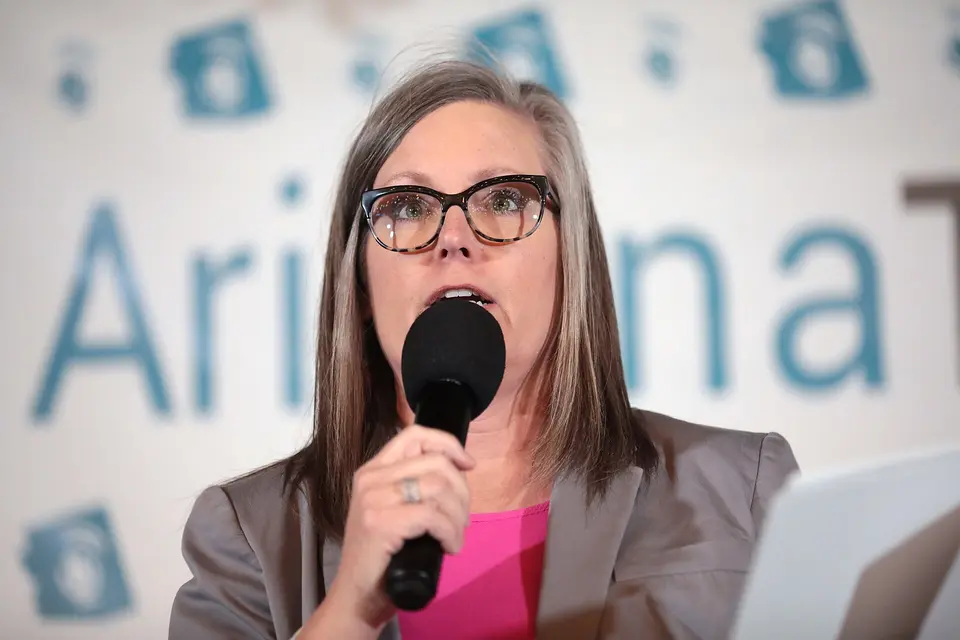
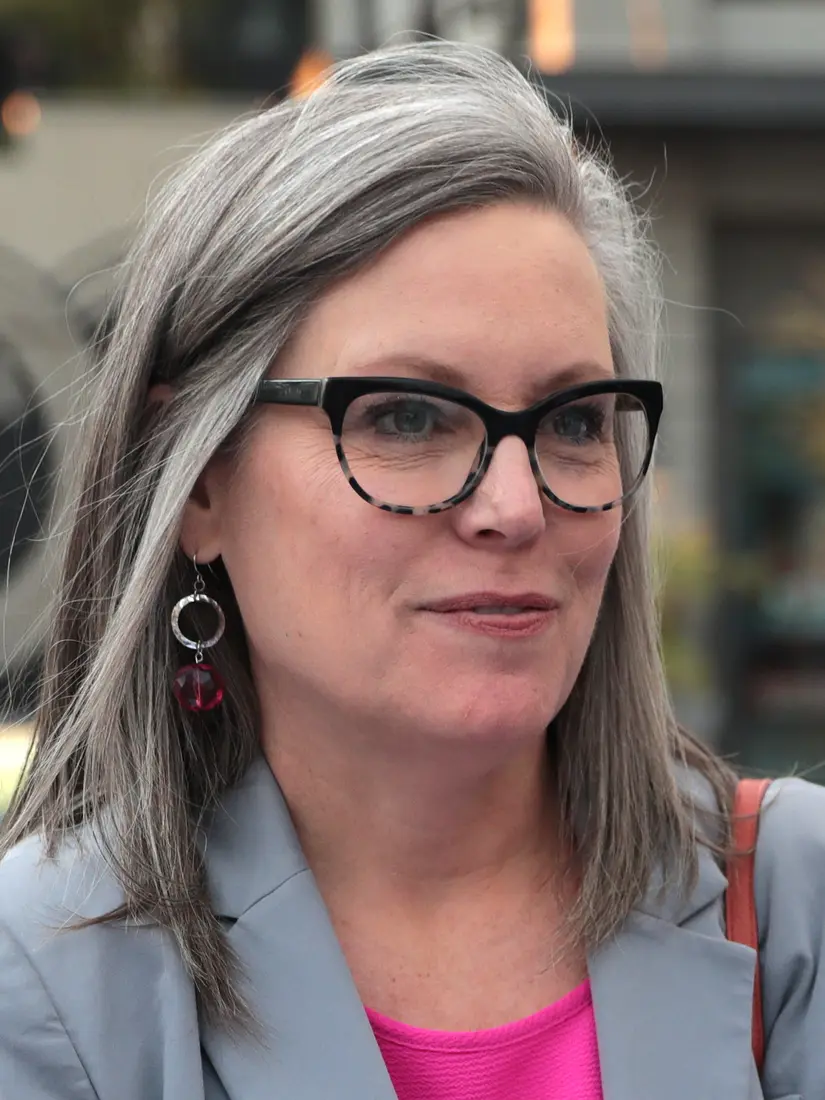
Gov. Katie Hobbs just vetoed a bill that, according to an Arizona Capitol Times op-ed by Chandler elementary school counselor Yvette Santana, cleared the Legislature with bipartisan support to give kids basic guardrails when they talk to AI chatbots. House Bill 2311 was aimed at a narrow and growing problem: minors confusing artificial conversation with human connection while being exposed to inappropriate content online.
As described by Santana, HB 2311 took a modest approach. It would have told kids up front that they were chatting with a machine, refreshed that reminder at intervals, blocked sexually inappropriate material, and prohibited bots from coaxing emotional or romantic attachment. It also would have required crisis-appropriate responses and resources if a user showed signs of a mental health emergency.
The consequence of the veto is simple: another school year without these specific safeguards. Santana warns that conflicts and isolation that used to end at the school bell now follow kids home, and chatbots can blur reality in ways children are not equipped to sort out. Arizona had a chance to put a few bright lines around that. We passed.
Santana also faults Hobbs for weighing in at the end instead of engaging during the process. If that’s right, it is governance by shrug. Adults in the room hash out objections while the bill is being written, not after it lands on the governor’s desk with a bow on it.
Here’s the part that should have made this easy. This was not a Luddite ban or an innovation killer. The bill, as laid out in the column, asked for honest labeling, cleaner content filters for minors, and a prohibition on bots playacting as a child’s sweetheart. If you cannot design a kid-facing product that clears that bar, the problem is not the Legislature.
Meanwhile, state leaders around the country are saying out loud that states should reclaim more authority. The Arizona Mirror reported that bipartisan groups of governors and lawmakers recently convened to talk about shifting power back to the states. On kids’ online safety, Arizona had a clear lane to lead. Instead, we waved other states through.
If the Capitol Times piece is accurate that HB 2311 enjoyed broad bipartisan backing, Hobbs managed to isolate herself against a coalition that rarely exists in our Capitol. That is not principle. It is political malpractice with real-world costs for parents and schools who are left sorting through the fallout anyway.
The fix is not complicated. Bring the governor’s office into the drafting room at the front end of the 2027 session. Refile the core protections Santana outlined. If there are technical concerns, identify them early and tune the language. But do not let perfect be the enemy of obvious, incremental protections for minors.
Parents deserve clarity. Kids deserve honesty about what is human and what is scripted. Tech companies deserve clear rules of the road. HB 2311, as presented by its supporters, tried to strike that balance. Hobbs tipped it over.