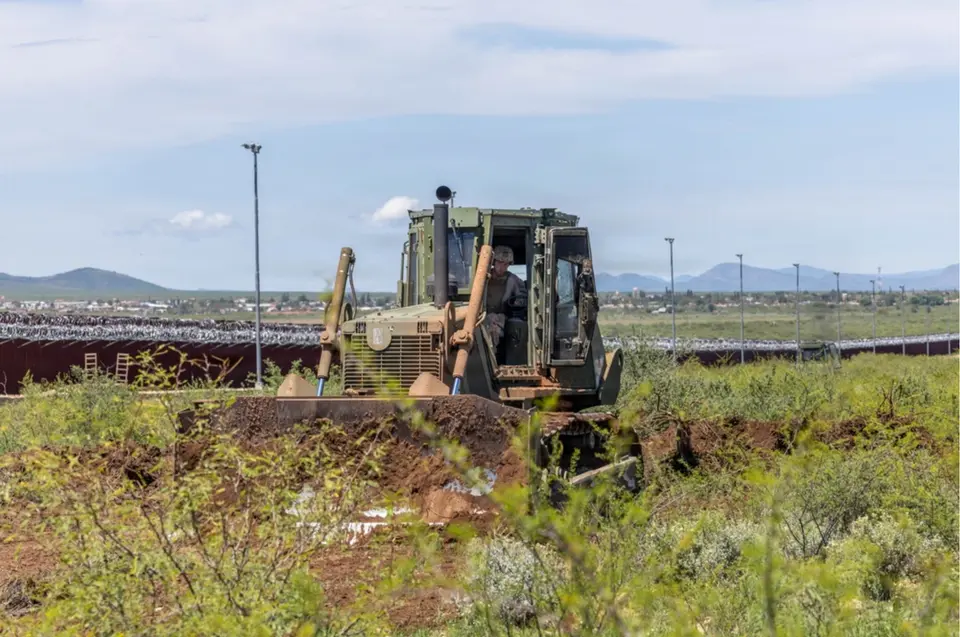
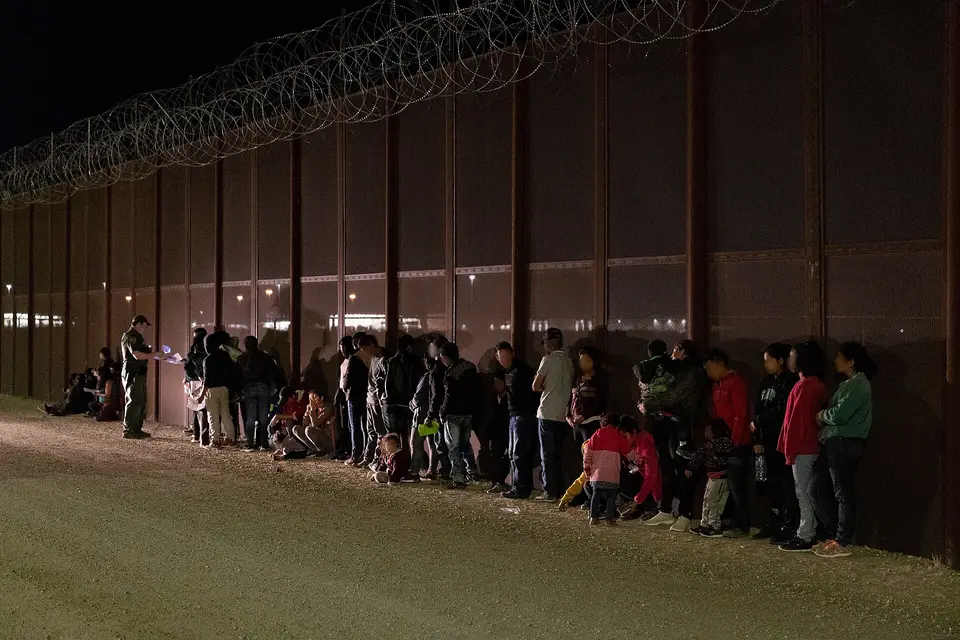
A federal judge has denied the Tohono O'odham Nation's bid to halt construction of 62 miles of new border wall along the tribe's southern boundary with Mexico, according to Capitol Media Services reporting. The ruling keeps federal contractors on track to start scoping and building.
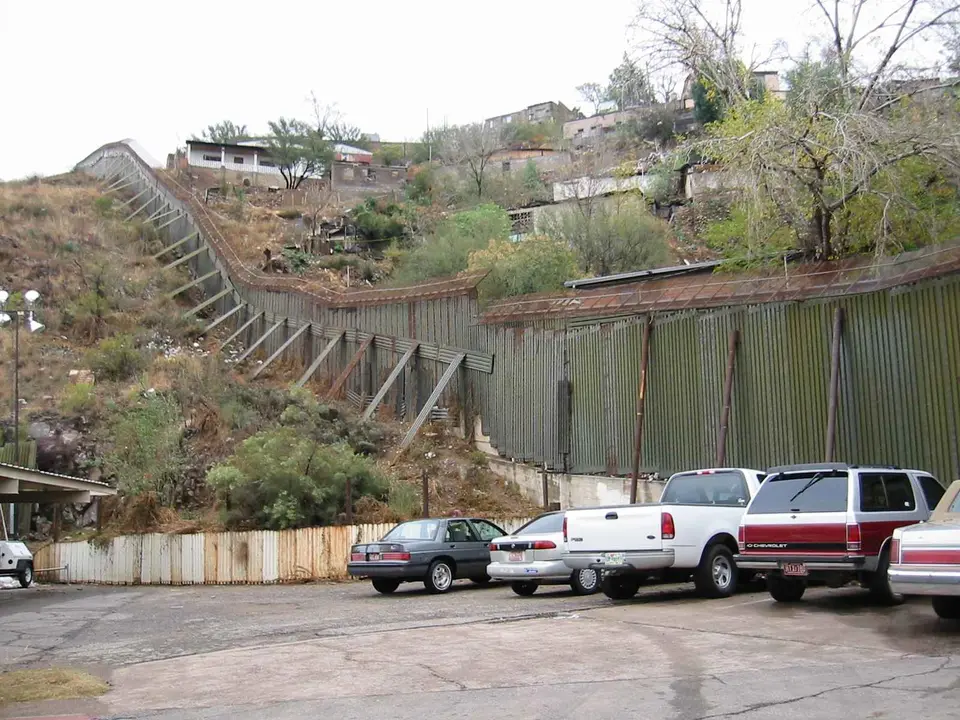
Here is the consequence: the Department of Homeland Security plans to place a double-layered 30-foot steel and concrete barrier inside the long-standing 60-foot federal buffer along the border. Judge Richard Leon wrote that, given national security and foreign policy considerations, "deference to the government is warranted."
Leon rejected the tribe's claims that new wall work would amount to trespass on tribal land or effectively shrink the reservation without an act of Congress. He pointed to a 1907 proclamation by President Theodore Roosevelt that pulled the first 60 feet of public land along the international boundary into exclusive federal control. Congress did not establish the Tohono O'odham reservation until 1917.
Tribal lawyers also argued aboriginal title, asserting the 60-foot strip was never truly public land. Leon acknowledged the O'odham people's cross-border communities, pilgrimages, and cultural sites, but said historical evidence "casts doubt" on the theory that the tribe holds title to the strip.
The judge noted the tribe's own history undercuts its case. In 2004, tribal officials approved a barrier inside the same 60-foot zone that blocks vehicles while allowing pedestrians to pass. That earlier sign-off, the court suggested, effectively conceded federal authority in the strip.
The decision follows the tribe's recent posting of no-trespassing signs across much of its 2.8 million-acre reservation. Chairman Verlon Jose told Capitol Media Services the signs were not aimed specifically at Homeland Security contractors, citing broader problems with illegal hunting and unpermitted visitors.
Jose did concede a particular concern about contractors and Border Patrol on licensing, permits, and taxes. Yet an Aug. 8 Facebook post from the tribe drew a clear line at wall work, warning that "ANY construction related activities to the illegal and destructive border wall" would be treated as trespass and escorted off by law enforcement. Leon's opinion says the planning and construction at issue are not on reservation land.
This is what happens when activism runs into property law. The Roosevelt Reservation exists, it predates the reservation, and it was created to deter smuggling. A federal court is not likely to pretend a century-old claim of federal control is a mirage when the project sits squarely inside that strip.
Jose says the tribe will keep fighting, arguing "too many critical issues" were left unaddressed and that "at the end of the day, the law will rule." Maybe so. But for now, the law that rules is a federal buffer, a national-security deference, and wall construction that proceeds.
The adult move from here is cooperation on access and cultural mitigation while the case grinds on, not telling federal crews to scram from land a judge just affirmed is not the tribe's. You can oppose a wall. You cannot will away the boundary of who owns the dirt where it stands.
Sources Cited
See an error? Email corrections@saguarosignal.com. We append material corrections to the article.