
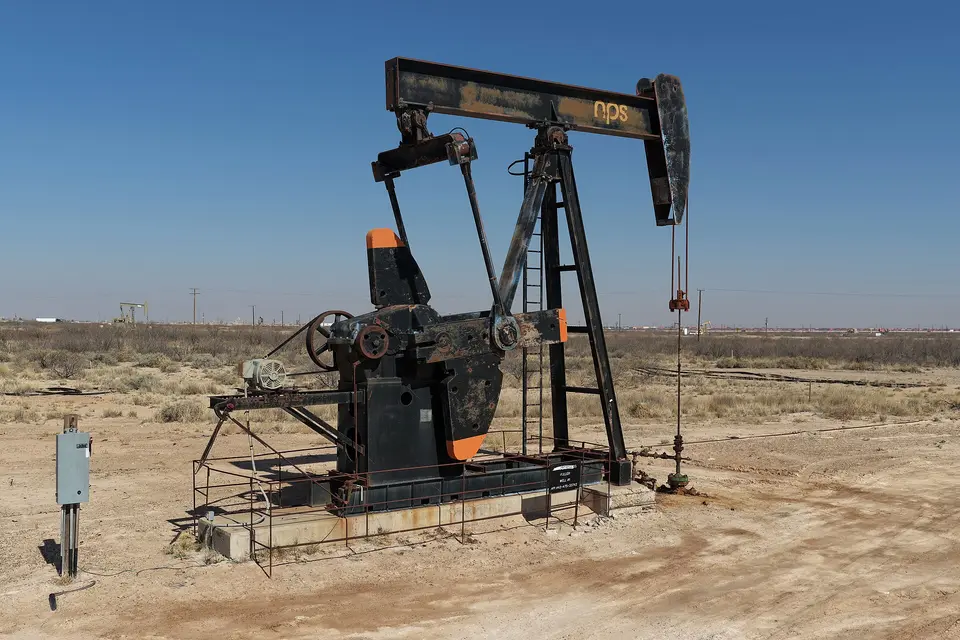
Elevated oil prices are padding state coffers in places that pump, not purchase. A Pluribus News report carried by the Arizona Capitol Times says Alaska, New Mexico, Texas and North Dakota are seeing oil-driven tax collections surge beyond what lawmakers budgeted for this year.
Here's the rub for Arizona counties and cities: our state is not listed among jurisdictions where severance taxes make up a meaningful slice of revenue. That means there is no comparable windfall coming here when crude spikes, even as neighboring states bank extra cash for services and savings.
The report traces the rollercoaster. Brent crude futures started the year at 61 dollars a barrel, jumped to 118 in late April amid fighting tied to U.S. and Israeli strikes on Iran, slid to 72 in late June after President Donald Trump and Iranian President Masoud Pezeshkian signed an agreement to end the war, then rebounded above 80 in July when hostilities resumed.
Alaska's budget picture flipped. A spike in oil-related collections erased a major deficit and may produce a Fiscal Year 2026 surplus, according to the report. Under a budget enacted in May, surplus dollars there go to household cash payments, school grants, heating fuel loans and savings. Dan Stickel, chief economist for Alaska's Department of Revenue, said prices look set to average just under 80 dollars a barrel versus a 75.26 forecast, adding, "At this point, it looks like we're tracking a little over forecast."
The mechanics matter. States raise money directly from extraction via royalties on mineral leases and severance taxes on the value pulled from the ground. Pew Charitable Trusts data cited in the report show severance taxes made up more than half of revenues in Alaska and North Dakota in FY 2024, more than a quarter in New Mexico and Wyoming, and 5 to 10 percent in Louisiana, Montana, Oklahoma, Texas and West Virginia. Arizona is not on that list.
Texas' oil production tax collected 5.35 billion dollars through the first 11 months of FY 2026, 9.7 percent more than expected; June alone brought in a record 736 million, according to the article's summary of August state data. North Dakota logged 2.5 billion in oil and gas revenues so far this biennium, 12 percent above forecast.
New Mexico analysts now expect 500 million dollars more than planned across FY 2026 and 2027 thanks to high prices, with the extra flowing to endowment funds, the report notes. "The entire revenue context changed basically overnight at the onset of the Iran conflict," Legislative Finance Committee economist Brendon Gray told lawmakers, as quoted.
For Arizona's city managers and county supervisors balancing spreadsheets this summer, the takeaway is practical. Neighboring energy states could have more room to sweeten infrastructure grants, workforce initiatives or school aid with oil-backed surpluses. Local governments here should not pencil in a similar bonus.