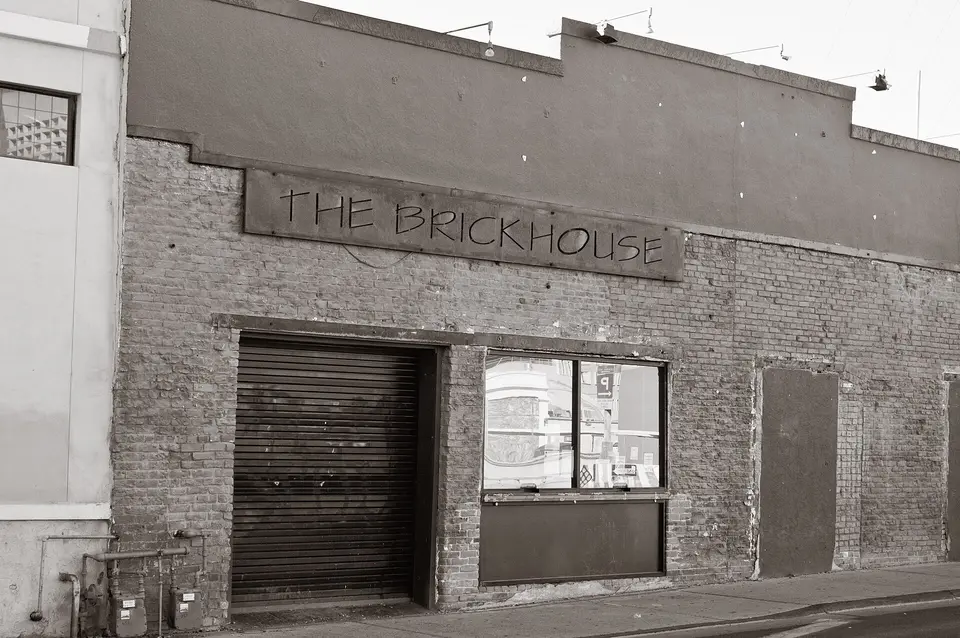
A 51-year-old Phoenix woman has died after a single-vehicle rollover that ended in a brick wall, with police pointing to a suspected medical event by the driver rather than impairment as the likely cause.
According to an Arizona Daily Independent report citing Sergeant John Buchanan of the Phoenix Police Department, officers responded around 4:30 a.m. on August 8 to multiple calls of a collision near 7th Avenue and Portland Street. They found one vehicle that had rolled and struck a brick wall. Phoenix Fire transported both occupants with serious injuries.
Police said the front-seat passenger, identified as Kelly Greene, was pronounced dead after arrival at a local hospital. Detectives believe the driver suffered a medical event that likely contributed to the crash, and impairment was not believed to be a factor, according to the report.
When impairment is ruled out and a medical episode is suspected, the prevention challenge looks different. Patrol saturation and DUI messaging do not address sudden driver incapacitation. The response, however, still triggers multi-agency deployment and hospital care, and those public costs rarely get surfaced in a way taxpayers can compare against other safety investments.
Serious crashes like this should come with a clear, public after-action tally. How many units rolled. How long the scene was held. What overtime was incurred. What infrastructure repairs the city must fund if any. Dollars and minutes matter when councils set priorities, and without that ledger the debate defaults to anecdotes instead of measurable tradeoffs.
The 4:30 a.m. timing also raises operational questions policymakers should ask, not as blame, but as management. Are patrol and fire coverage patterns optimized for off-peak hours. Are dispatch times and hospital transfer intervals meeting internal targets before sunrise. Those are quantifiable benchmarks that can be published and compared across similar incidents.
Fixed-object collisions and rollovers suggest different mitigation paths than multi-car crashes. Street geometry, barriers, and lighting are often discussed broadly, but the city would get more value from a focused audit of fixed-object events. If the majority of severe outcomes are tied to a small set of conditions, scarce dollars should follow that pattern instead of being spread thin without evidence.
It also matters for public messaging. If detectives continue to find that some fatal incidents stem from medical episodes rather than alcohol or drugs, that changes the risk mix. Budgets aimed entirely at impairment will miss a share of real-world harm. The answer is not to guess at solutions, but to publish the case data and let the numbers drive targeted responses.
For now, the known facts are limited to what police have released. One vehicle, a rollover into a wall near 7th Avenue and Portland, two people transported, and a passenger, Kelly Greene, pronounced dead at the hospital. Detectives suspect a driver medical event and do not believe impairment played a role.