Prop. 212, branded the "Protect Education Act," is suddenly wobbling on the edge of the ballot after a Maricopa County Superior Court ruling tossed thousands of petition signatures and accepted a key challenge to duplicate signatures. That is according to the Arizona Globe's morning briefing, which reports Judge David McDowell sided with challengers on a duplicate-signature issue that cut into the total.
The consequence is straightforward. If current validation rates hold, the initiative would miss qualification by about 6,300 signatures. That estimate comes from plaintiffs' attorney Kory Langhofer, as relayed by the Globe from his comments to the Arizona Capitol Times. The court's order lands before the math is final, which means both sides are doing projections rather than counting completed totals.
If the estimate proves out, Prop. 212 will not appear on the ballot, and Arizona's never-ending fight over K-12 funding formulas will stay in the hands of lawmakers and the governor instead of voters. That would be a familiar Arizona outcome, where drafting errors and signature hygiene often matter more than ad campaigns.
Process point, not partisanship. The Globe notes McDowell's ruling came while Maricopa and Apache counties still had sample reviews underway. Siding with challengers on duplicates is a technical call that frequently decides initiative fates. Until those last samples post, any victory laps or eulogies are premature. But the lesson is already clear. If you build a statewide initiative on a thin cushion, duplicate and invalid signatures will find you.
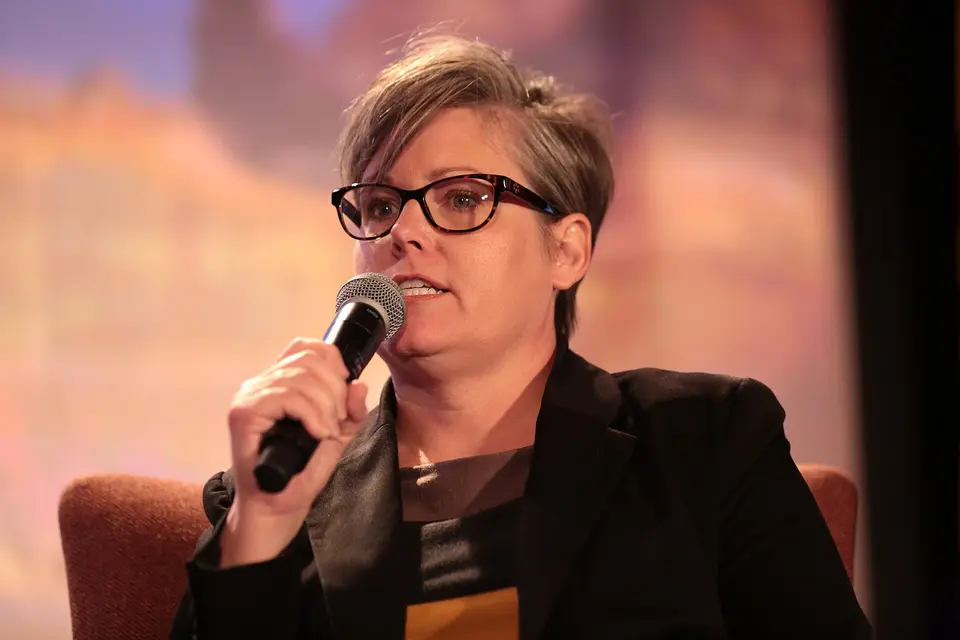
While signatures were getting sliced in court, Governor Katie Hobbs spent the weekend showcasing her "Arizona First" ticket with lieutenant governor pick John Giles, even taking the Giles bus for a spin and pushing the rollout to local TV, per the Globe. It is classic Saturday optics, heavy on branding and light on detail.
That may play on soft news, but it does not answer the competence questions that keep surfacing across Arizona's election and governance machinery. Voters are watching signatures get disqualified in court while the governor spotlights a bus. The mismatch between staging and substance is the risk.
The most vivid governance mess right now is in Gilbert. As summarized by the Globe from a Republic report, the town effectively has two councils. The current body still includes three members voters just rejected. The shadow council is four winners who do not take office until January yet immediately began issuing pronouncements calling for a freeze on non-critical spending, on new fees or taxes, and on future bond issuance.
Mayor Scott Anderson responded with an official statement reminding the incoming quartet that their formal role begins in January and scolding them for using public statements instead of the appropriate channels, according to the Globe's roundup. Translation, there are rules for transition and public process, and Gilbert is testing all of them at once.
Two ousted members, Chuck Bongiovanni and Jim Torgeson, answered with a podcast devoted to local politics, satire, and what they call civic education. "No one is off limits. No one, including me," Torgeson said, in the same week he filed paperwork for a 2028 mayoral run, the Globe reports. That is entertainment, and it is also a reminder that losers do not always leave the stage.
Across all three storylines, the through line is the same. Courts and clerks decide what reaches the ballot. Campaigns need more than photo ops. Transitions require discipline. If Prop. 212's backers end up 6,300 short, it will not be because of ideology. It will be because the process was not managed with the rigor Arizona's initiative system now demands.
Sources Cited
See an error? Email corrections@saguarosignal.com. We append material corrections to the article.