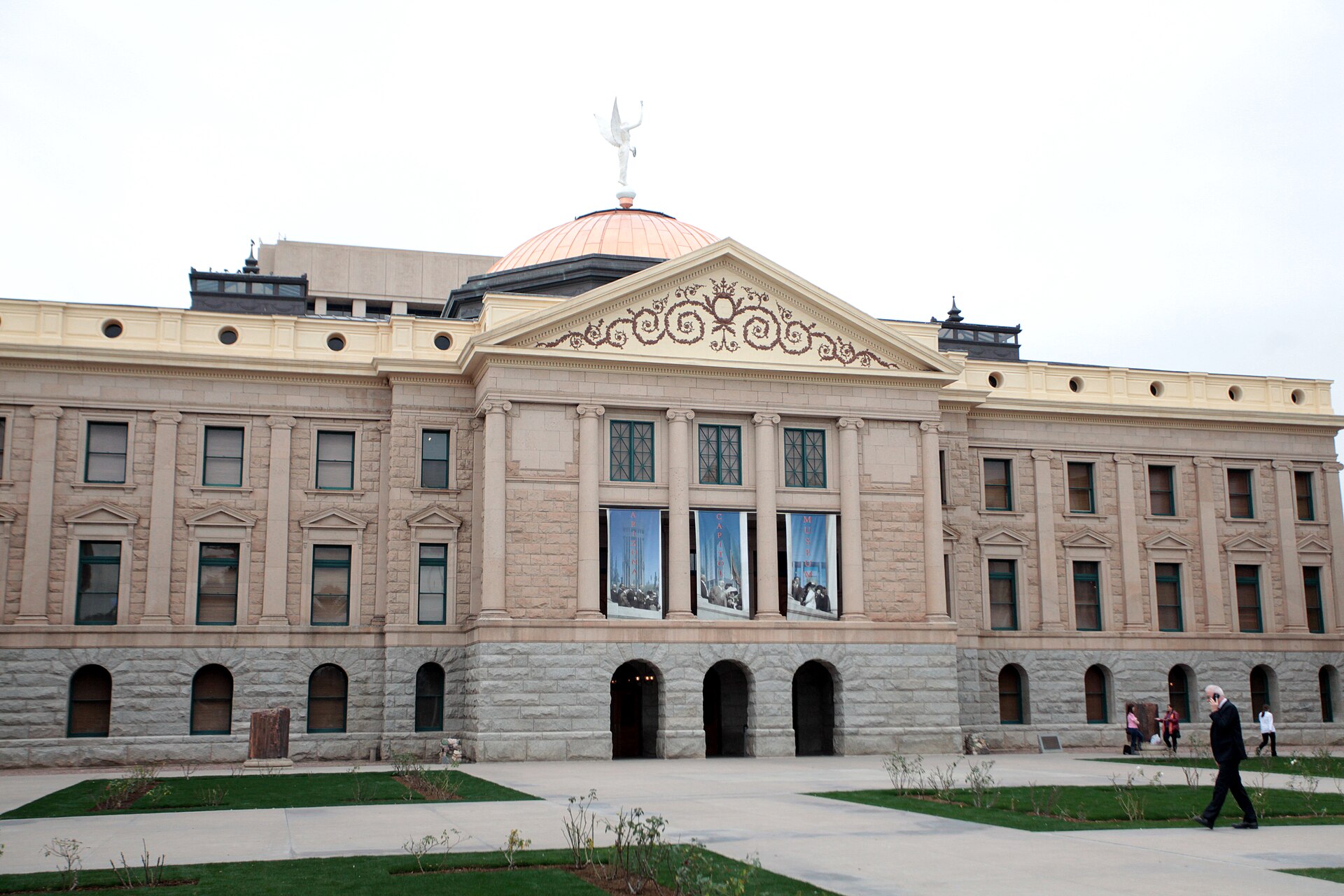

Arizona promised in 2019 to create secure treatment for its sickest psychiatric patients. According to new reporting from the Arizona Mirror published Thursday, that promise still has not produced a single secure treatment option in 2026.
That gap is not an abstraction. When the state says care will exist and then it does not, families and communities are left to navigate the consequences without the tool they were told was coming.
The Mirror opens with a family's ordeal. Larry Bootsma, 23 at the time of his first psychotic break, called his parents in a panic about bugs crawling from the vents. He was later diagnosed with schizophrenia. The report says he cycled through nearly every level of Arizona's behavioral health system. What did not exist, per the Mirror's account, was the secure treatment Arizona promised seven years ago.
If the 2019 commitment was real, there should be a paper trail. What was the plan, who was responsible for delivering it, where was it supposed to be sited, and what milestones were set? Those documents should be on the public record, not buried in agency inboxes. Residents deserve to see the timeline, the budget, and any changes that pushed delivery off course.
When state leaders overpromise and underdeliver, city halls, county health departments, and local law enforcement usually become the backstop. That is exactly why clear governance and open meetings matter on projects like this. Announce the work in public, take votes in public, and report progress in public so communities can plan around reality instead of press releases.
The fix here is not complicated to describe, even if it is hard to execute. Publish the deliverables: site selection, licensing path, staffing plan, operating model, and a funding source that adds up. If delays are unavoidable, explain them with dates and documents. Hold community meetings in the jurisdictions that will host the facility and let residents question the operator in person.
Secure treatment is the hardest slice of care because it must protect patients in crisis and the neighborhoods around them. Pretending the need is being met when it is not serves neither goal. Honest, line item budgets and measurable milestones beat vague assurances every time.
For the family described in the Mirror's reporting, "nearly every level" of care was still not enough. A functioning secure option might not solve every case, but it gives clinicians and families a place to turn other than repeated crisis cycles. That is the point of promising it in the first place.
If the 2019 promise was unrealistic, say so, correct the record, and set a grounded plan with dates the public can hold you to. If it was realistic, then show the contract, the site, and the opening timeline. Either way, do it in the sunlight with county partners at the table.