Buy a home in a growing Arizona suburb and you are buying into a water ledger whether the sales office mentions it or not. The relevant question is not whether the tap works on move-in day. It is what legal supply stands behind the subdivision for the long haul.
Arizona's Assured Water Supply framework was built to stop desert leapfrogging that assumed groundwater could be mined forever without a plan. In Active Management Areas, new subdivisions generally must show a 100-year supply under state rules. That is a high bar on paper and a contested one in practice when modeling assumptions meet shortage politics.
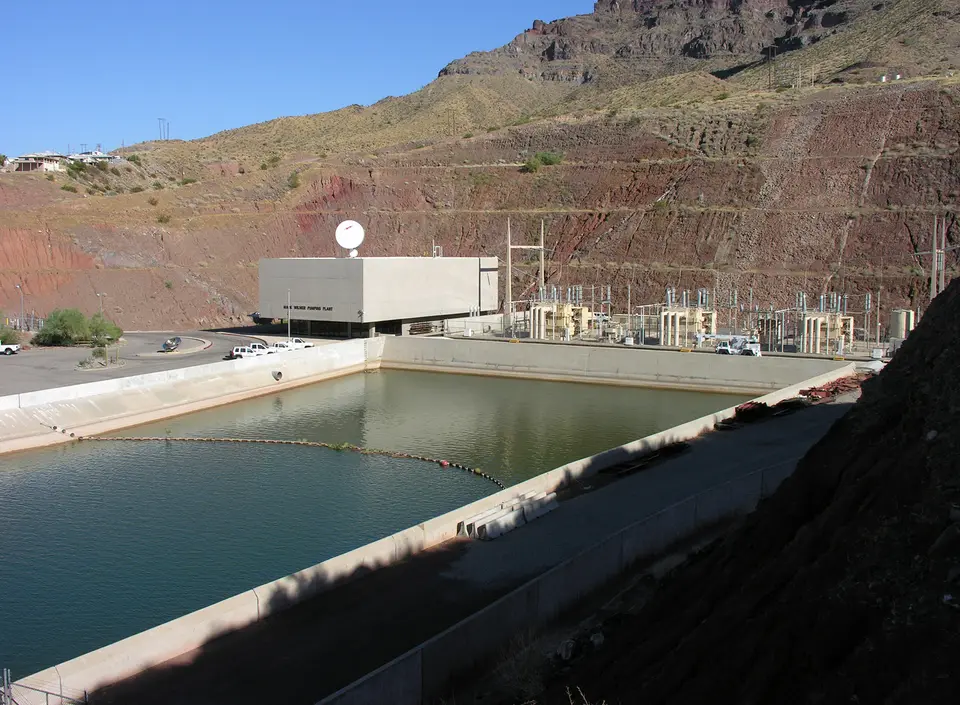
Supplies are stacked. Surface water, CAP allocations, groundwater, effluent, and storage credits are not interchangeable widgets. A city with diversified portfolio management is not in the same position as a fringe development leaning on a thin paper claim.
Homebuilders and local governments share incentives to keep permits moving. Homebuyers and existing residents share incentives to ask who pays when the portfolio tightens — through higher rates, outdoor restrictions, impact fees, or halted plats. Those fights belong in public hearings before the dry year, not after.
HOA turf rules and homeowner xeriscape habits matter at the margin. They do not replace basin management. Treating individual virtue as a substitute for portfolio planning is how suburbs get surprised.
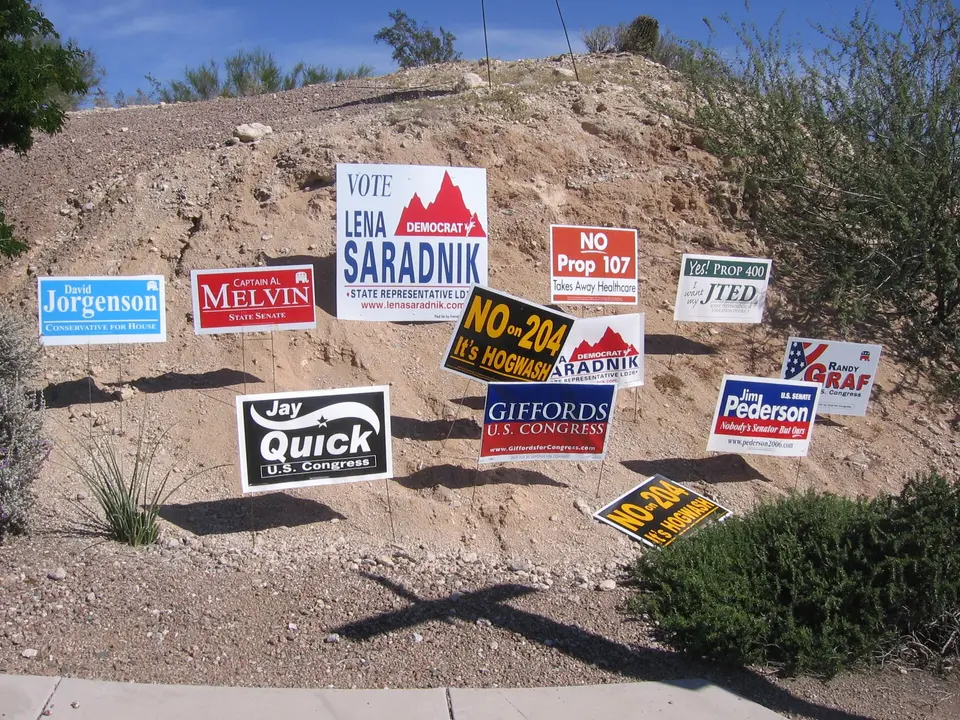
When a candidate says "we will grow and we will conserve," ask for the order of operations. Which acres get served first? Which water intensive uses get priced out? Which projects depend on CAP volumes that may not arrive?
Suburbia is not the villain of Arizona water. Unexamined growth is. The state can have housing and hydrology honesty at the same time, but only if water certificates are treated like structural engineering documents — not marketing collateral.
Reporting attribution
Our reporting draws on the original documents and journalism listed here. Please follow the links to read the source work.