On a rare sub-100-degree day in Phoenix, airport, roofing and farm workers rallied for stricter heat protections while the state pointed to new guidance and stepped-up enforcement already on the books, Arizona Capitol Times reported Thursday.
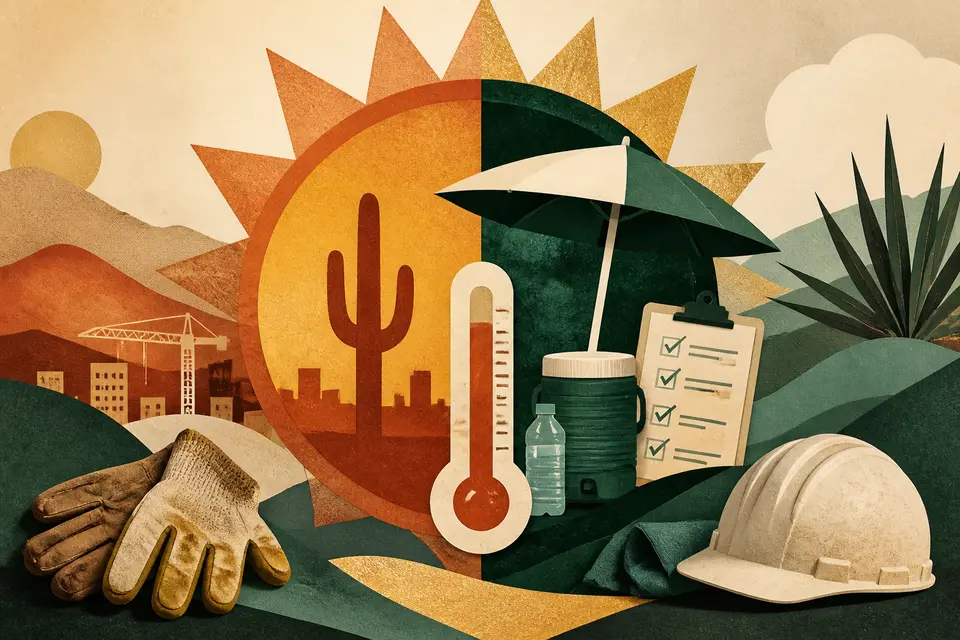
The stakes are immediate: summer heat can turn routine shifts into medical emergencies, and any rule that misses the mark can sideline crews and shrink paychecks. With Arizona's growth riding on aviation turn-times, crop harvests and job sites that cannot move indoors, the question is not whether to protect workers, but how to do it without grinding the economy to a halt.
The Arizona Heat Standards Coalition staged demonstrations to show what baggage handlers, landscapers and agricultural workers face, including airport tarmacs that workers say run 20 to 40 degrees hotter than the air. "Enforceable heat protection should not be optional," said former Sky Harbor ground-crew worker Trina David, according to the Capitol Times.
Policy has inched forward. The Industrial Commission issued workplace heat-safety guidelines in April, based on recommendations from a task force Gov. Katie Hobbs created in 2025. A report on how those recommendations affected workers will not land until December, well after peak heat. Another task force, another end-of-year study, while crews swelter through July and August.
Republicans at the Capitol argue the current system can work when enforced. Senate Majority Leader John Kavanagh told the Capitol Times a one-size-fits-all mandate could shut down worksites and cut into profits, and said he would revisit the issue if workplace injury and death data point there. That is the sober standard legislators should demand: measure, then regulate where needed.
The Industrial Commission, in a statement to the Capitol Times, said today's heat protections are enforceable and that citations have been issued when employers fall short. The agency says it is tracking complaints, inspections, citations, consultation visits and heat-illness claims to decide whether more action is necessary.
Early indicators are not all grim. State health officials reported heat-related deaths dropped to 667 in 2025 from 997 in 2024, and emergency-room visits declined after several years of increases, according to the Capitol Times. Those are trendlines worth understanding before lawmakers hard-code a sweeping mandate that treats Yuma lettuce fields the same as a Flagstaff warehouse.
Democrats have pushed bills that did not advance. Rep. Mariana Sandoval has tried three sessions to codify heat rules, arguing guidelines are just suggestions. Sen. Lauren Kuby proposed capping rental thermostats, a reach that would have put landlords and tenants into disputes over degrees while schools and job sites still struggle with basics like airflow, shade and scheduling.