The American Civil Liberties Union has paused its bid to block enforcement of a central provision of Arizona's voter-approved Proposition 314, citing a lack of any arrests under the new law in its first month of effect, according to the Arizona Capitol Times report published Aug. 13, 2026 (https://azcapitoltimes.com/news/2026/08/13/aclu-pauses-legal-fight-over-arizonas-prop-314-immigration-law/).
The immediate consequence is straightforward. With no preliminary injunction in place and no plaintiff who has been arrested under the measure, Section 5 of Prop. 314 remains on the books and available to state and local agencies. The ACLU's retreat is tactical, grounded in standing and ripeness rather than a concession on the merits.
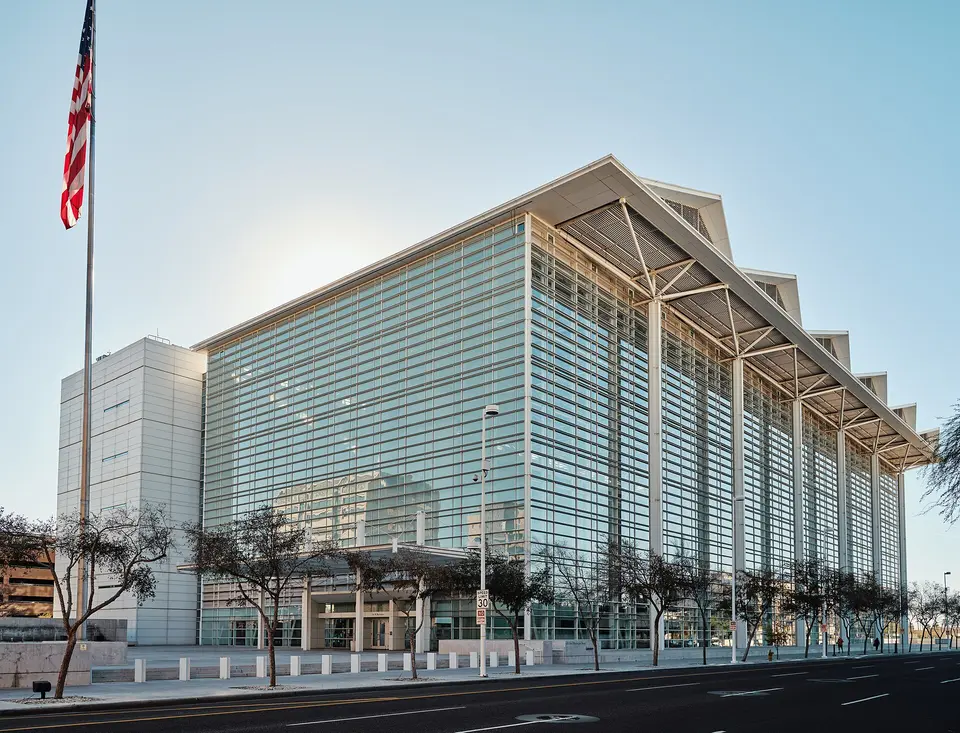
U.S. District Court Judge Mike Liburdi last month rejected the ACLU's request to halt enforcement while the case proceeded, leaving the law operative during litigation. ACLU attorney John Mitchell said the group and the Florence Immigrant and Refugee Rights Project still believe a key provision is unconstitutional, but acknowledged "it's not the right time to continue litigating" without evidence of enforcement.
Mitchell said the organizations will monitor whether anyone is charged under the statute and only then return to federal court to seek emergency relief and, ultimately, a ruling on constitutionality. He described the first month since Section 5 became fully enforceable as showing no arrests, which undercuts a pre-enforcement challenge that requires a concrete or imminent injury.
Section 5 is the centerpiece of Prop. 314. It creates a state misdemeanor for a noncitizen to enter Arizona from a foreign country other than at a port of entry. As a state crime, it authorizes enforcement by state and local police. The measure also allows a judge to order the arrested person deported in lieu of criminal prosecution, according to the report.
Other parts of the 2024 initiative require state and local agencies to verify immigration status before providing taxpayer-funded benefits, make it a felony to submit false documents to employers, and enhance penalties for selling fentanyl when a death results.
Voters approved Prop. 314 after months of border footage and what the report describes as a Biden administration policy of catch and release, where entrants were processed and released with notices to appear. Legislative Republicans advanced the package after Gov. Katie Hobbs vetoed their plan, then placed it on the ballot. The electorate endorsed what the governor had rejected, a reminder that veto politics can collide with public demand for enforcement authority.
From a rule-of-law perspective, the posture now is defined by authority, remedy, cost, and outcome. Authority lies with state and local officers to enforce the new misdemeanor. The remedy includes either prosecution or a judicial order of deportation in lieu of charges. The cost of a statewide injunction fight is deferred because there is no active plaintiff. The outcome for now is legal stability for Prop. 314 until an arrest creates the case or controversy courts require.
Nothing in the report explains why there have been no early arrests, and it would be speculative to assign motives to agencies. What is clear is that opponents will need a concrete enforcement action to test preemption and constitutional claims. Until then, Section 5 remains available to Arizona law enforcement and unblocked by any court order.
Sources Cited
See an error? Email corrections@saguarosignal.com. We append material corrections to the article.