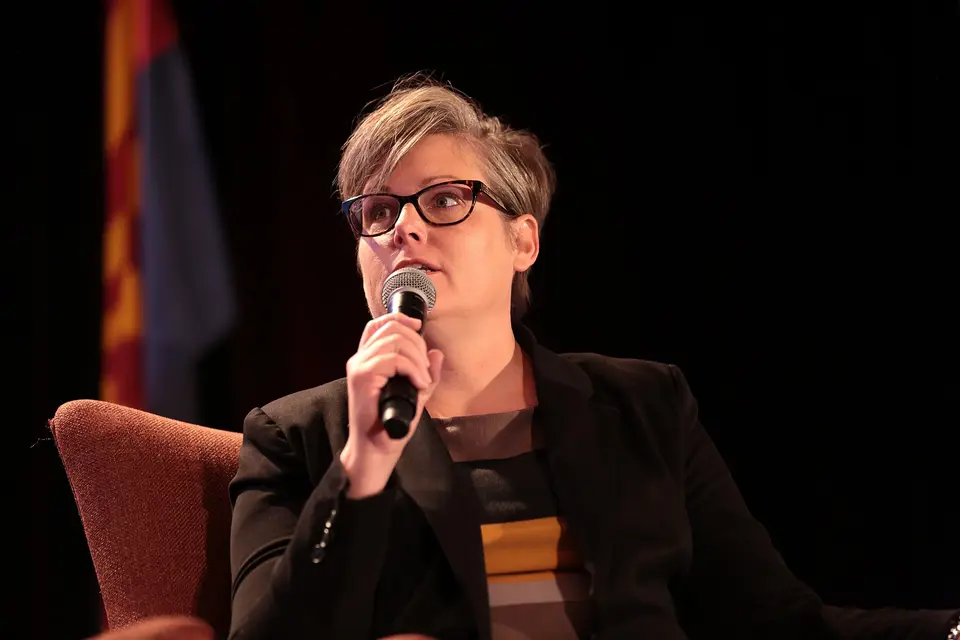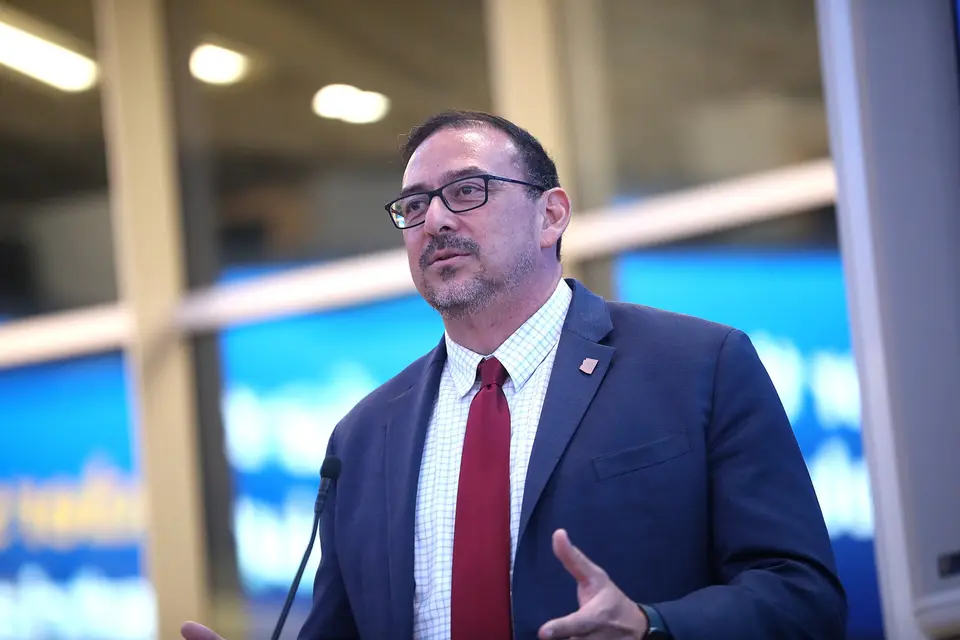
Attorney General Kris Mayes says her nearly two-year probe of Governor Katie Hobbs' ties to Sunshine Residential Homes is nearing the finish line, with an announcement expected before November, according to the Arizona Globe. What Mayes will not say is whether investigators will interview the governor before closing the case.
That choice matters more than the press statements. If Mayes ends this without questioning Hobbs, or without explaining why an interview was unnecessary, a no-charges outcome will not settle anything. It will read as insiders protecting insiders, a perception problem that multiplies in an election year when both Mayes and Hobbs are on the same coordinated Democratic campaign, Copper State Victory, as reported by the Globe.
Mayes' Criminal Division opened the case on June 6, 2024, after lawmakers sought a review of whether Sunshine's political giving tracked with favorable treatment at the Department of Child Safety. The Globe reports there have been no charges, formal findings, or a final report to date.
The undisputed sequence is ugly on optics. Sunshine gave $200,000 to the Arizona Democratic Party before the 2022 election, another $100,000 in 2023, and $100,000 to Hobbs' inaugural fund. In 2023, Sunshine sought a higher daily reimbursement for beds housing children in state care. An initial ask was rejected under Hobbs' first DCS director, Matthew Stewart. After David Lujan took over, DCS raised Sunshine's rate from $140 to $195 per bed, then a later contract took it to $234.
DCS has said Sunshine warned it could shift more beds to a federal program that pays more, which could have left Arizona short on placements. Lujan maintains he made the call based on agency needs and that Hobbs did not direct it. Still, the politics are inescapable. Internal DCS records obtained by the Arizona Republic showed staff knew about Sunshine's political support for Hobbs while evaluating the request, and Hobbs and her campaign manager dined with Sunshine executives as the contract was being finalized, the Globe notes.
Equally important is what the public record does not show. There is no publicly disclosed evidence that Hobbs ordered the increases or entered a quid pro quo. The timing, access, and favorable treatment justified scrutiny, but they are not proof of a crime. On the record available, the Globe's analysis suggests the likeliest outcome is that prosecutors will say they cannot tie Hobbs personally to the decision.
Process will decide whether voters accept that. Mayes confirmed in April that investigators asked to interview the governor. As of this week, there is no interview date, though both offices say they are communicating. Asked if Hobbs was blowing off the probe, Mayes rejected that, saying, You cannot blow off the Attorney General's Office. Full stop. No one can. She added she is confident investigators will get what they need.