
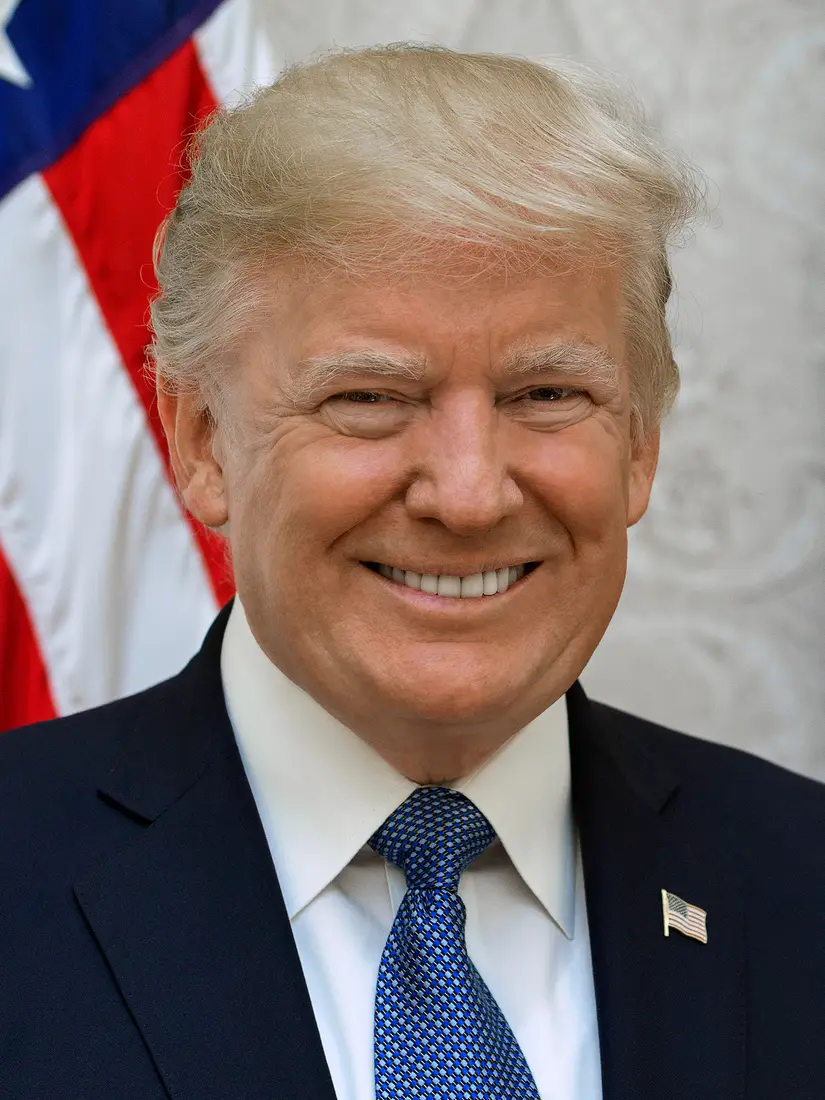
The Arizona Mirror reported Friday that Arizona's 6th Congressional District, created in 2021 and long considered the state's most competitive, is now seeing Rep. Juan Ciscomani's reelection effort collide with voter sentiment about President Donald Trump and what the outlet describes as the fiscal impacts of his administration's policies. Source: https://azmirror.com/2026/08/14/in-arizonas-most-competitive-district-trumps-policies-collide-with-ciscomanis-reelection-bid/
If the report's premise is accurate, it signals an electoral test in a nearly evenly split district where small shifts can decide the outcome. The Mirror frames growing dislike of Trump and pocketbook effects tied to Trump-era policy as factors likely to shape attitudes in AZ-06.
The immediate consequence is strategic. In a district balanced between Republicans and Democrats, any perceived pocketbook pressure, if substantiated, can force a campaign to explain what it will keep, change, or repeal, and under what legal authority.
From a legal affairs lens, the Mirror points to "fiscal impacts" from Trump administration policies but does not specify which ones. Federal policies that touch district finances typically arrive through statutes enacted by Congress and signed by the president, or through agency rules and executive actions operating under delegated authority. Without particulars, it is not possible to trace a direct causal chain or assess which legal instrument is at issue.
Authority matters. Statutes bind unless amended or repealed, and rules bind unless vacated or revised through proper administrative procedure. The Mirror article as summarized includes no mention of litigation or adjudicated illegality tied to the referenced policies, which means the accountability here is primarily electoral, not judicial.
Remedy also matters. If campaigns in AZ-06 argue that certain federal policies impose costs on households or employers, the workable remedies are legislative oversight, targeted appropriations, statutory amendments, or regulatory revisions that comply with the Administrative Procedure Act. Courts are not the venue unless a policy violates law or exceeds delegated authority, and the report does not claim that.
Cost is the crux of the Mirror's framing. It characterizes fiscal impacts on the district, but does not detail which sectors bear them or how those impacts are measured. In competitive districts, voters often separate rhetoric from receipts, and will look for clear numbers, beneficiaries, and tradeoffs before assigning blame or credit.
Outcome will hinge on clarity. Incumbents tend to fare better when they can point to concrete district benefits and a plan to mitigate any federal burdens, while challengers tend to press claims of harm with specific examples. If the race becomes a proxy for national sentiment about Trump, the contest could nationalize, though the Mirror excerpt offers no data to gauge that shift.