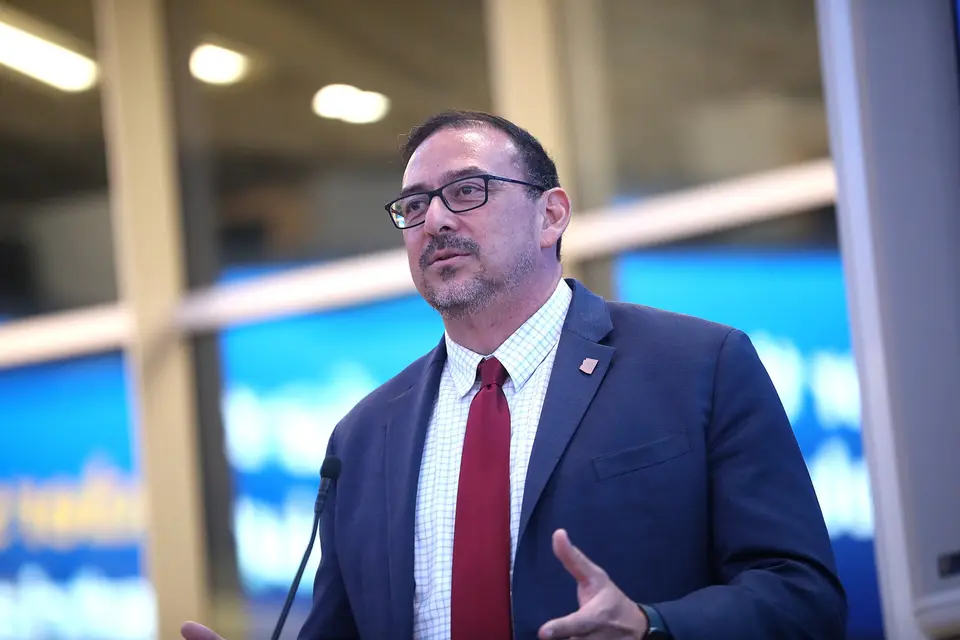
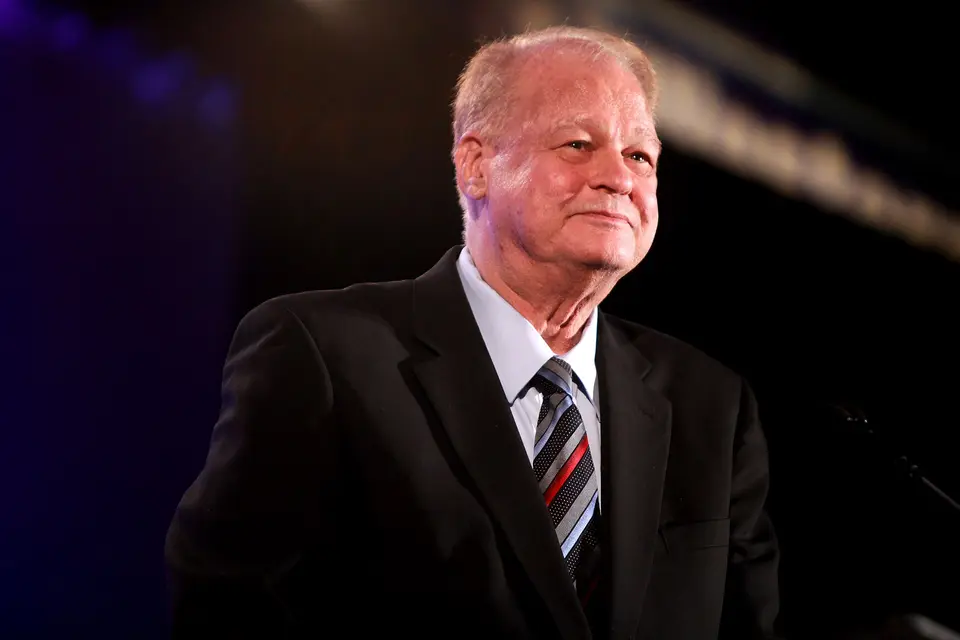
State Treasurer Kimberly Yee is leading incumbent Superintendent Tom Horne in Arizona’s Republican primary with roughly 55 percent of the vote and a margin exceeding 32,000 ballots, according to the Arizona Globe’s tally as of late Tuesday. The Globe reported the race had not yet been formally called at that time, but Horne on Thursday sent Yee congratulations, signaling he sees the outcome as effectively decided.
The scale of spending did not match the result. The Globe reports the superintendent contest is the most expensive for the office in at least two decades, with more than $1 million in electioneering. Horne reported about $795,000 in receipts and roughly $550,000 spent through June 30, much of it self-funded. Yee reported about $400,000 raised and about $150,000 spent over the same period.
The near-term consequence is straightforward if current margins hold: Republican primary voters did not reward either the heavier spending or a late outside blitz that used racial imagery against a Chinese American candidate. The Globe’s account indicates Yee’s advantage has been steady as additional ballots were counted, placing her on track to unseat a longtime Arizona figure if the lead is sustained through the final canvass.
According to the Globe, a California-based committee called Arizonans for Election Integrity spent nearly $200,000 opposing Yee after receiving a $200,000 contribution on June 25 from Conservatives for Effective Government, a Virginia-based PAC the Globe describes as a pass-through. The ad that followed featured an Asian-themed backdrop, a gong, stylized lettering, and the title “Empress of DEI.” Yee called the commercial “revolting” and racist.
Horne denied any connection to the independent expenditure and publicly condemned the ad as an appeal to ethnic prejudice, according to the Globe. His campaign had previously targeted Yee as supportive of diversity, equity, and inclusion. The outside group then wrapped that policy line in racial caricature. That distinction matters under campaign finance law. Whether it mattered to voters is less clear, because the reported vote shares moved against the side that benefited from the spending.
Follow the money, carefully. By the Globe’s figures through June 30, Horne’s campaign outspent Yee’s by more than three to one before the nearly $200,000 independent expenditure hit. Even if late spending changed the ratios after June 30, the topline reported today is that Yee sits near 55 percent. The denominator we do not have is the total ballots cast to date or turnout by precinct, so any claim about dollars per vote would be guesswork. What is measurable is that more money, including out of state money, did not buy a lead.
After sending his congratulations to Yee, Horne highlighted his record, per a statement reported by the Globe: increasing school safety officer counts “from 117 to almost 500,” opposing policies on transgender participation in girls’ sports and bathrooms, launching a free tutoring program where “a number of students made six months of progress in one six-week tutoring session,” deploying school improvement teams to hundreds of schools, lobbying to raise educator pay, and pressing for a cell phone ban in classrooms. Saguaro Signal has not independently reviewed those performance claims or the underlying data.