The Arizona Supreme Court on Tuesday cleared Proposition 144 for the November ballot, rejecting a challenge that the Republican-referred package violates Arizona's single-subject limits for initiatives.
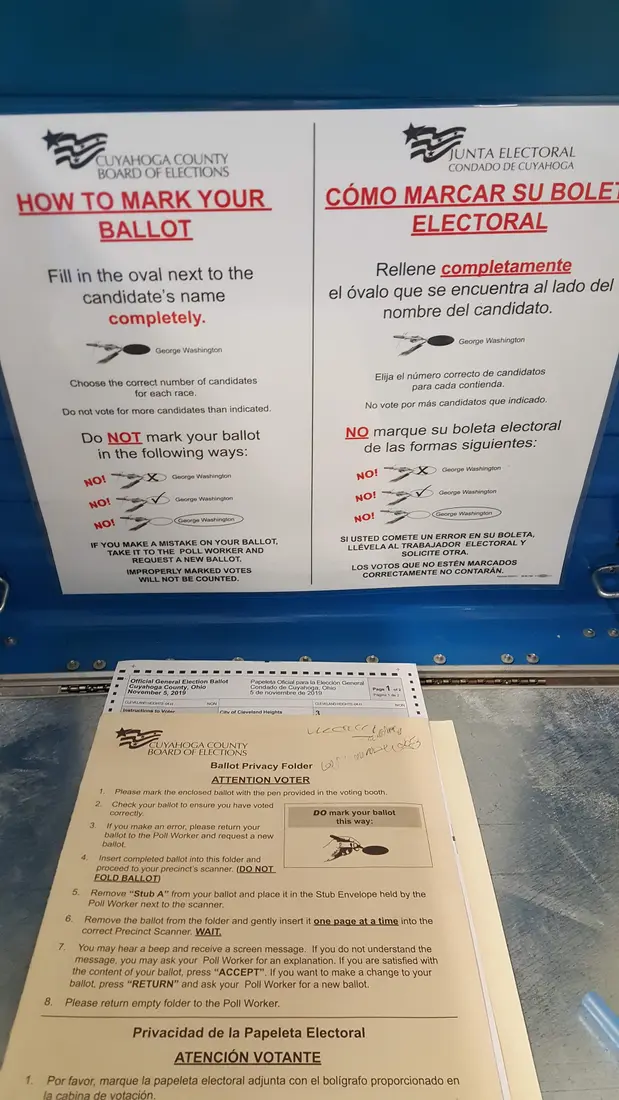
The consequence is immediate. Voters will see a constitutional amendment that would state only citizens can vote, restrict foreign nationals' spending to influence elections, require voters to show identification to cast a ballot, and make other changes to election administration.
Writing for the majority, Justice John Lopez said the provisions are interrelated because each regulates the same context, the conduct of public elections. The court said it is irrelevant that each change could be presented separately. Dissenting, Chief Justice Ann Scott Timmer and Justice Maria Elena Cruz argued two parts are not sufficiently connected: on-site tabulation of early ballots when dropped off and language giving lawmakers broad powers to enact new election law. They said voters should be able to consider those separately under the state constitution's anti-logrolling rule.
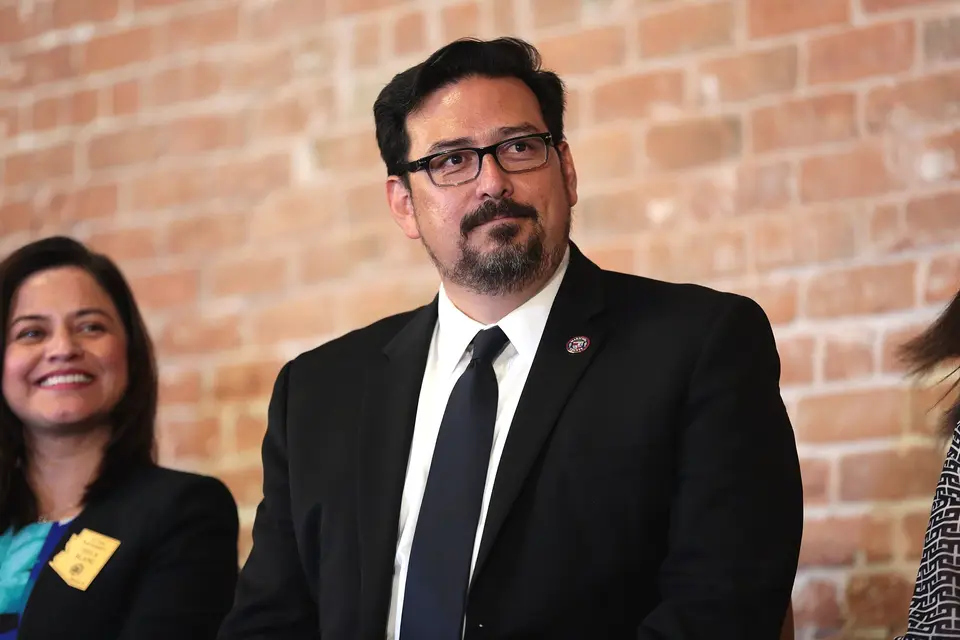
The court's ruling addressed only ballot placement. A separate fight over the wording voters will read played out immediately after. America First Legal, a conservative group, alleged Democratic Secretary of State Adrian Fontes used slanted language designed to push voters to reject the measure. A trial judge rejected that claim, and the group sought Supreme Court review.
On Wednesday, the Supreme Court declined to order Fontes to rewrite his description. In a divided opinion, Chief Justice Timmer wrote the language that will appear on all ballots is not false or clearly misleading and also concluded the measure's supporters were not personally and immediately harmed by the secretary's decision, a standing problem that ended much of the dispute.
Two justices, William Montgomery and Kathryn King, disagreed on both points. They said the proponents had standing to seek relief and that Fontes should have mentioned two core provisions in the ballot title: that only citizens may vote and that elections shall be decided solely by the votes of eligible citizen voters. They said they would have directed the secretary to recraft the title.
Part of what triggered the lawsuit was Fontes's choice to tell voters Prop. 144 may make it harder to challenge election laws. Backers said that is an impermissible prediction. Maricopa County Superior Court Judge Adele Ponce ruled the phrasing was within bounds because it describes potential impact. The Supreme Court unanimously upheld that portion of her decision.
As approved by the Republican-controlled Legislature, Prop. 144 also gives voters who receive early ballots the option to have those ballots tallied at the time of drop-off if they present proof of identification, a change supporters say is designed to reduce delays in final results.