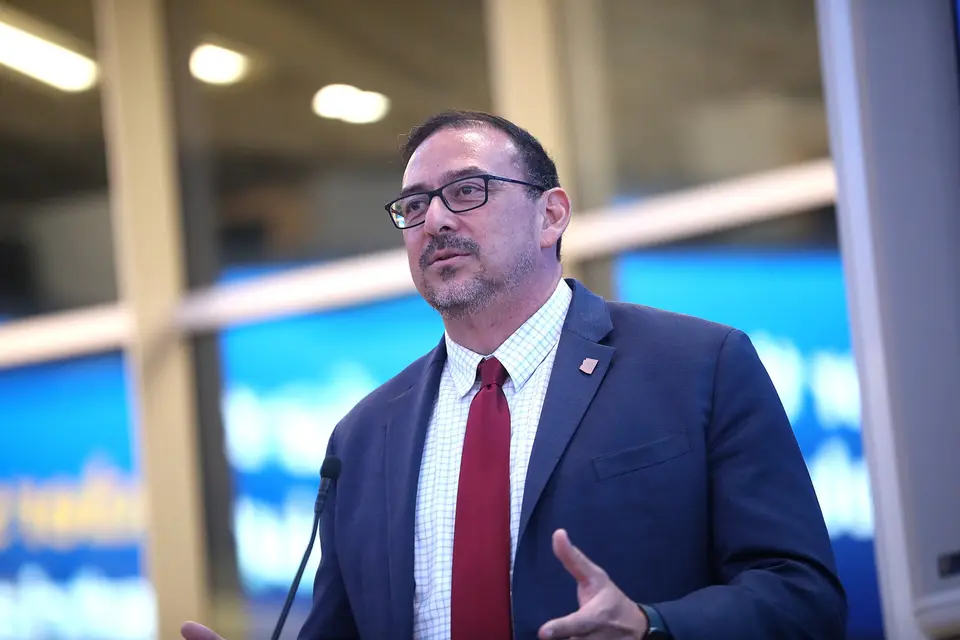
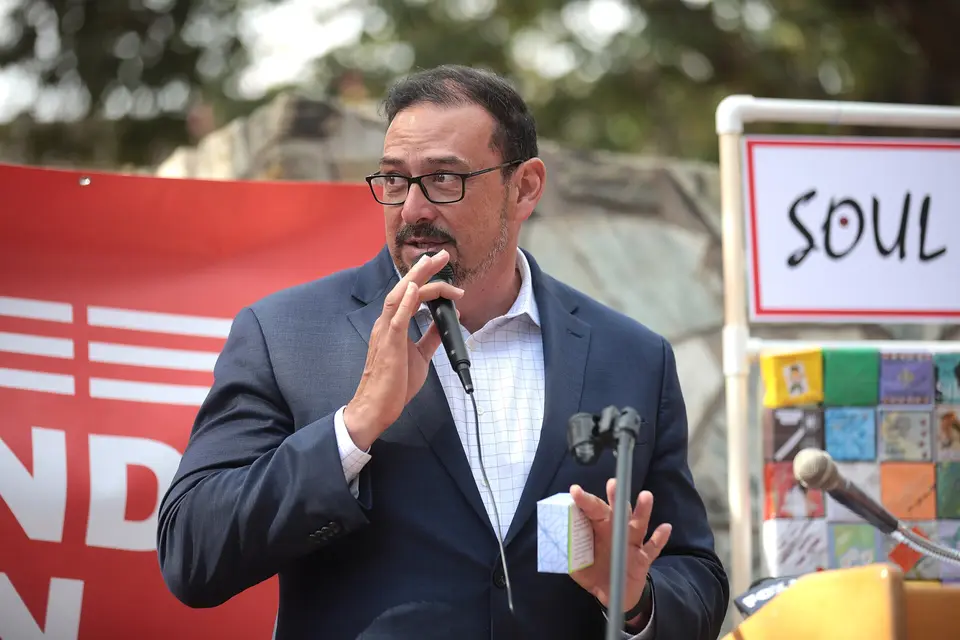
America First Legal filed suit in Maricopa County Superior Court accusing Secretary of State Adrian Fontes of misleading voters with his official ballot description for Proposition 144, a Republican-referred election measure set for November.
The case asks Judge Adele Ponce to order Fontes to rewrite the 50-word title and the "yes/no" explanations before early voting begins in October. The required description is printed on every ballot and, in practice, is the only text many voters read about a measure. Getting it wrong has real consequences for how people vote.
Proposition 144 would make multiple changes to Arizona election law. It declares that only citizens may register and vote, requires voter ID for all methods of voting, restricts foreign spending to influence Arizona elections, and states that new election laws are presumed valid if tied to a legitimate state interest. The measure leaves details of how ID would apply to mail voting to future legislatures, according to the Capitol Times' report on the filing.
AFL's complaint says Fontes' description violates Arizona's neutrality statute for ballot language by omission and spin. First, it alleges the title and "yes" statement omit the core premise that only citizens may register and vote, even though the office used only about 28 of the 50 words available for the title. Second, it says Fontes inserts commentary by calling the foreign-spending limits "similar to prohibitions that already exist in federal law," which AFL argues is inaccurate because federal law does not broadly cover spending on ballot measures. Third, it says Fontes crosses into advocacy by predicting that Prop. 144 would "lower the legal standard for judicial review ... making it harder to challenge election laws," a contested legal conclusion rather than a neutral summary of text.
Fontes' office defends the wording. Spokeswoman Calli Jones told Capitol Media Services the explanation is legal, necessary, and neutral, and that repeating sponsors' talking points about citizenship and voter ID would have wasted scarce space on the ballot. She also said the office has a responsibility to tell voters how referrals may change existing law, not to amplify campaigns' messaging.
AFL highlights potential conflicts. Its complaint says Fontes has publicly opposed Prop. 144, backed a competing initiative that failed to qualify, and will face the measure's sponsor, Rep. Alexander Kolodin, in the same November election for secretary of state. Attorney James Rogers told the court he is not claiming Fontes is disqualified for "political interests," but argues those interests explain why the description reads like an argument against the measure and warrant exacting judicial review.
Kolodin, a Scottsdale Republican, has pitched Prop. 144 as an election-security package. The measure's voter-ID mandate would apply to in-person and other voting methods, with implementation details for mail ballots to be set later by lawmakers, per the Capitol Times account of the proposal.