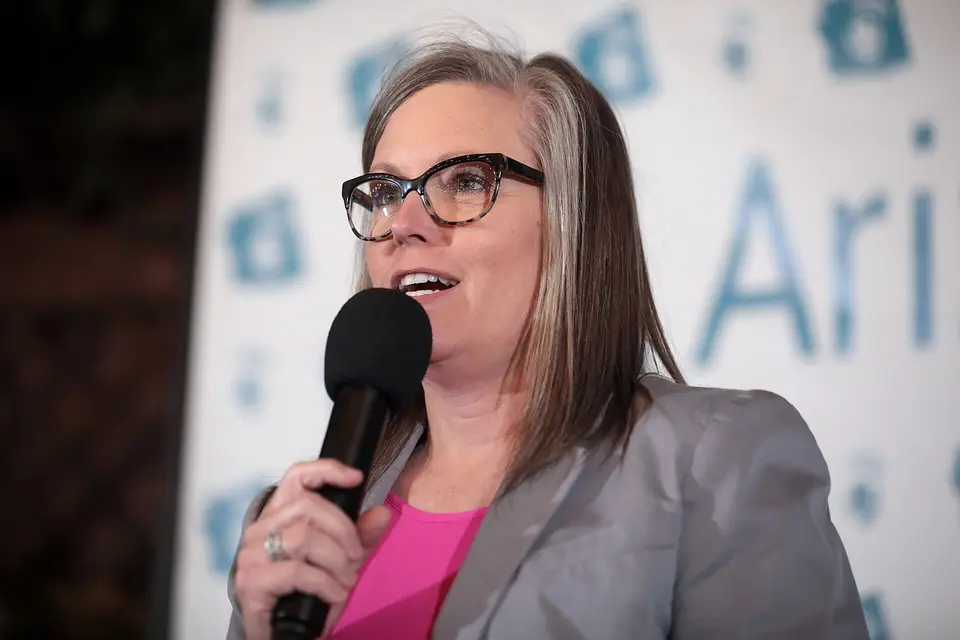
Arizona Gov. Katie Hobbs has banned executive branch employees from using nonpublic information to profit on prediction markets, joining governors in California, Illinois, Maryland, New York, North Carolina and Wisconsin, Arizona Capitol Times reported. Signed July 9, Hobbs’s order designates all nonpublic information as confidential and bars disclosure or use of it for wagers. “All Arizona State executive branch employees are strictly prohibited from disclosing or using any nonpublic information obtained due to their public service to personally profit,” the order reads.
The immediate consequence in Arizona is practical, not theoretical. The state just lost its bid to criminally prosecute Kalshi, the largest Commodity Futures Trading Commission regulated prediction market in the United States. A federal judge in May sided with the CFTC on federal preemption and permanently blocked the state’s criminal case against Kalshi, according to the Capitol Times. With that avenue closed, the state’s leverage now runs through ethics codes that govern its own workforce rather than courtroom attempts to shut down a federally regulated platform.
The legal fight had escalated fast. After the Arizona Gaming Commission sent a cease and desist letter to Kalshi, the company preemptively sued in March when it learned the attorney general was planning charges, the Capitol Times reported. The state then filed a 20 count criminal indictment on March 17 alleging Kalshi was operating an illegal gambling business by accepting sports wagers and betting on elections, the first time a state had brought criminal charges against the platform under state gaming laws. The CFTC responded by suing the state, asserting federal preemption over prediction markets, and a federal judge in May barred Arizona’s case from proceeding.
Arizona’s executive order is part of a broader reaction by state leaders to high profile allegations of insider wagering. Citing the Capitol Times, CFTC investigators reportedly began looking into Gabriel Perez, President Donald Trump’s teleprompter operator for the past decade, for allegedly using knowledge of what the president would say to win more than $100,000 on Kalshi. White House Press Secretary Karoline Leavitt said Perez was placed on unpaid administrative leave, and the White House circulated a March memo warning staff against using nonpublic government information to place wagers.
Governors also pointed to a January episode on the crypto prediction market Polymarket. A user appeared to win more than $400,000 by betting that the United States would “invade Venezuela” by Jan. 31. The site refused to pay out, ruling the special operation did not constitute an invasion, and federal authorities in April arrested a special operations soldier involved in the capture of Venezuelan President Nicolas Maduro for being behind the account, according to the Capitol Times. California Gov. Gavin Newsom, who cited that incident along with New York’s Kathy Hochul, Maryland’s Wes Moore, Wisconsin’s Tony Evers and Arizona’s Hobbs, framed his order bluntly: “Public service should not be a get-rich-quick scheme.”