Petition law is unglamorous and it is not optional. A circulator checks a box declaring whether the signatures were gathered as a volunteer or for pay. The box exists so that anyone reviewing a sheet later can tell who was paid to collect a signature and who was not. Knowingly falsifying a petition sheet is a misdemeanor in Arizona. That is the whole substance of the case brought against Sen. Catherine Miranda in the fall of 2017, and it is worth revisiting now because both sides of it were handled badly.
The backdrop was Senate Bill 1431, the 2017 expansion of Arizona’s Empowerment Scholarship Account program. Gov. Doug Ducey signed it that April after Republicans moved it through the Legislature narrowly. The bill made all 1.1 million Arizona students eligible to apply while capping recipients at 30,000 by 2022. Save Our Schools Arizona then collected more than 100,000 signatures to refer the expansion to the November 2018 ballot. Miranda had voted against the expansion, and after it passed she went out and gathered signatures for the referendum herself.
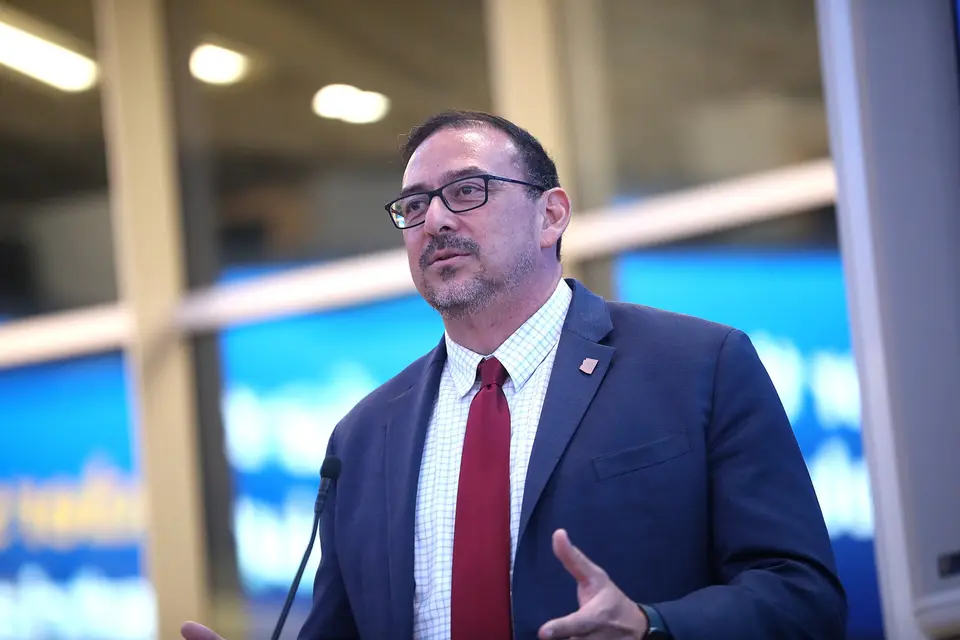
That is where the paperwork problem starts. A photo Miranda posted to social media showed her holding a referendum sheet that already carried several signatures. In the photo, the box designating her as a volunteer or paid circulator was blank. By the time the sheet reached the Secretary of State’s Office, the box was checked. Amy Andrea Celaya, a Gilbert parent who supported the expansion, wrote a complaint on letterhead from the group Parents United arguing that this sequence merited an ethics investigation.
Miranda’s attorney, Tom Ryan, did not dispute that the box had been blank in the photo. His argument was that anything his client did was unintentional, and he questioned why Republicans were pursuing a matter that could theoretically end in a vote to expel a sitting senator. That is a fair question about proportion. It is not an answer on the merits, and the distinction matters.
On October 5, 2017, the Senate Ethics Committee voted to investigate. The panel held three Republicans and two Democrats, and the vote fell along party lines with no discussion. The Republicans also decided to defer their own inquiry until the Attorney General’s Office had looked at the question first, which was the sensible half of the decision. The other half is harder to defend. Sen. Steve Montenegro of Litchfield Park acknowledged that he had arrived with his motions already drafted, before the committee heard a report from its own staff. Asked repeatedly whether the outcome had been decided in advance, he sidestepped.
A committee that writes its motions before it hears its staff is not conducting an inquiry. It is conducting a scheduled event. That is true regardless of whether the underlying allegation had merit, and here the underlying allegation was narrow but real: a box that was empty in a photograph and full when it was filed.